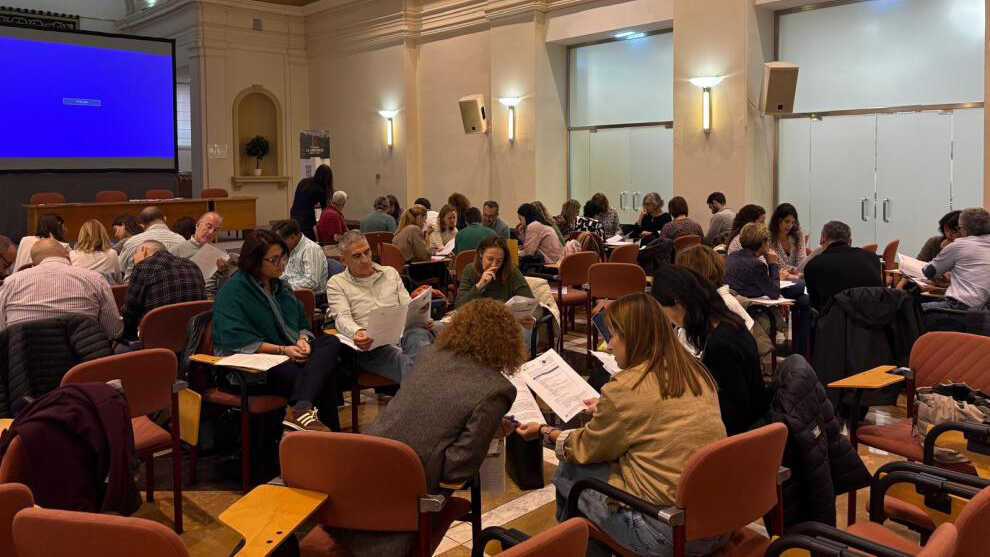
The training aimed to provide official control personnel with the tools needed to identify the requirements that shelf-life studies submitted by food business operators must meet to be considered valid, as well as to harmonize criteria among the autonomous communities.
Over the two-day course, participants covered the legal framework, the characterization of ready-to-eat foods, scientific literature, predictive microbiology, challenge tests and durability studies. The theoretical sessions were combined with practical cases to identify the most common errors and insufficient criteria in these studies.
The course was taught by specialists from AESAN, the University of Zaragoza, the Polytechnic University of Cartagena and the Institute of Agrifood Research and Technology (IRTA).