At this Zaragoza hospital, around 255 patients begin a new stage of their lives each year after undergoing an ostomy, a procedure that may be necessary due to different diseases or medical conditions. Although it represents a major physical and emotional change, with the right support they can maintain an active and fulfilling life.
An ostomy is a procedure that creates an opening in the abdomen to facilitate the elimination of stool or urine, which is collected in a specific device. It may be temporary or permanent and makes it possible to maintain essential functions when certain diseases or treatments prevent them from occurring naturally.
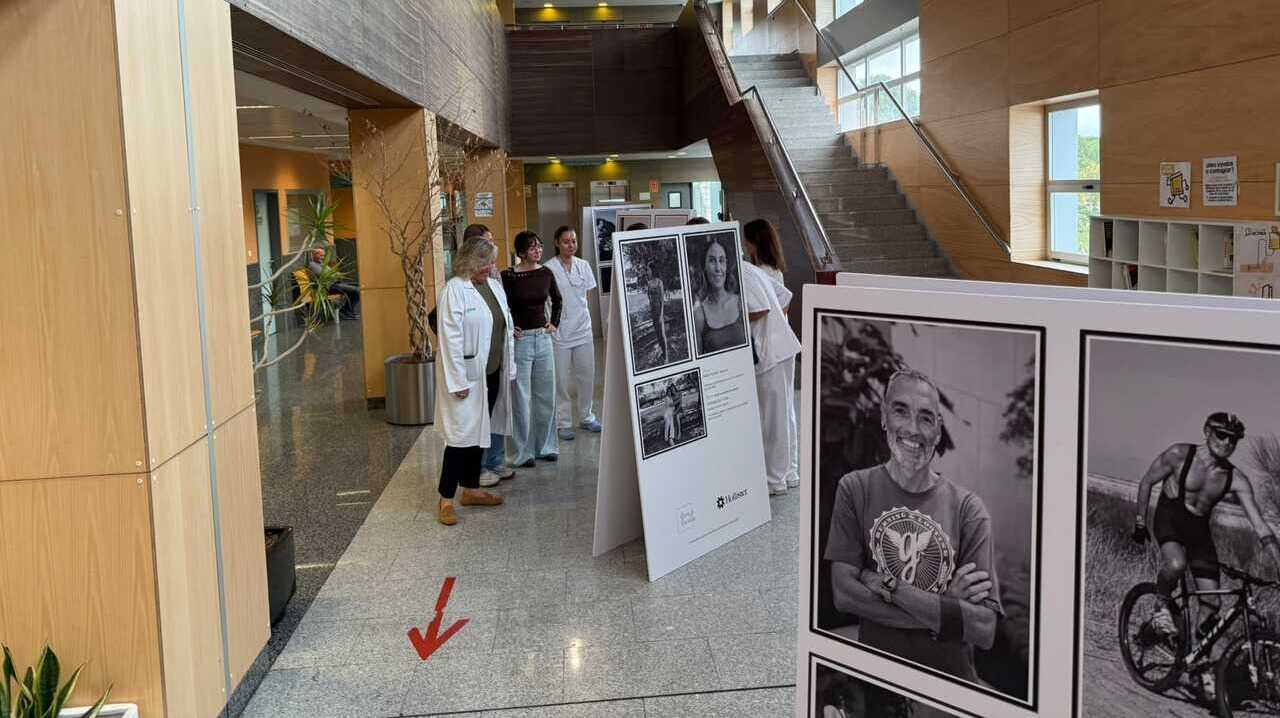
The exhibition installed at Miguel Servet University Hospital, entitled "Heroes and Heroines", is an initiative promoted by Hollister and the GESTO groups (Groups of Stoma Care Nurses) to raise awareness of these processes. It is a traveling exhibition that pays tribute to patients—more than 70,000 people in Spain are estimated to live with an ostomy—and to the nursing staff who support them. The exhibition, made up of more than 100 images and stories, was created by photographer Álvaro Laiz, who is internationally recognized and a National Geographic Explorer.
The exhibition features 14 personal stories that present different perspectives and forms of overcoming challenges, including that of Pilar Guiral, a 62-year-old patient at Miguel Servet University Hospital who has had a colostomy since January 2026. Thanks to a positive attitude and professional support, she has continued her usual activities without giving up her independence. Guiral highlighted the importance of having the support of healthcare professionals to come to terms with the process and learn to live with an ostomy.
The exhibition highlights the importance of nursing work in caring for, supporting and monitoring these patients.
Nurses Marta Zamora and Vanessa Pérez, from Servet's stoma care clinic, explain that the unit provides specialized care for adults and children with digestive and urinary ostomies. Their work begins, whenever possible, before surgery. During a preoperative consultation, they teach patients and their families the basic aspects of the process ahead, answer questions and mark the stoma beforehand to facilitate subsequent care and promote proper adaptation.
“From these initial moments, we seek to involve patients in their own care and progressively promote their independence, adapting to each individual situation,” says Marta Zamora.
Support continues throughout the hospital stay and after discharge. “This support is particularly close during the first two years, a period in which we conduct regular checkups, reinforce education and self-care, and address any difficulties that may arise,” the healthcare professional adds.
“From then on, we conduct annual checkups and remain available for any questions, problems or new needs. Throughout the process, our goal is to provide individualized support that enables each person to acquire the knowledge and skills needed to care for their ostomy, promote their independence and facilitate their adaptation to everyday life,” says her colleague Vanessa Pérez.
The healthcare professionals teach patients how to manage their devices, practice self-care and prevent complications, with the aim of helping them gradually gain independence and confidence.