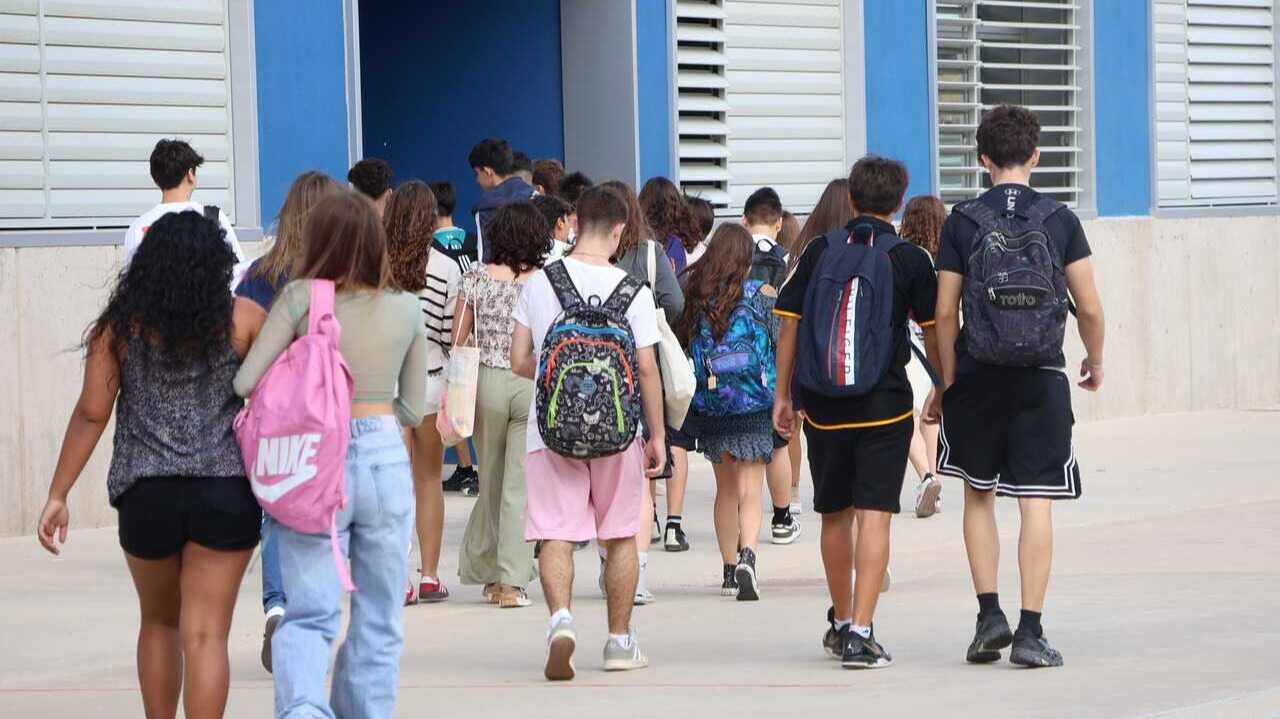
CSIF, CGT, CCOO, STEA, UGT and ANPE have warned of this after surveying nearly 2,000 teachers in the region to identify their main concerns and willingness to take part in further mobilizations. Among the issues directly affecting the operation of schools is the negotiation of extracurricular activities.
According to the unions, the current situation is causing problems in schools and high schools when it comes to organizing these activities. It has already led more than 30 centers to suspend them, although the unions have not specified which centers are affected or which specific activities have been discontinued.
The controversy comes in a school year in which public schools have introduced new transitional instructions for field trips, excursions and activities outside school premises. Among other provisions, they establish a minimum of two teachers responsible for each activity, set indicative supervision ratios according to the educational stage and regulate issues such as teacher rest periods, overnight trips and activities involving risk. These instructions will remain in force until Aragon approves definitive specific regulations.
TEACHERS' CONCERNS
The organizations believe this issue must be addressed as soon as possible and that a solution must be reached to guarantee the safe running of extracurricular activities for schools, teachers and students alike.
The problem of extracurricular activities adds to other demands that teachers have identified as among their main priorities. These include opposition to the subsidization or privatization of non-compulsory educational stages, improved pay conditions, an increase in teaching staff to meet schools' needs and a reduction in student-to-teacher ratios.
These demands will also be behind the new mobilizations called from October onward. The unions will revive the so-called “Green Wednesdays,” with demonstrations every Wednesday from October 7 outside educational centers, during break times and at school entry times. They also have not ruled out organizing stronger actions during the second term if no progress is made in negotiations.