Behind those diagnoses are very different profiles, from women who enter screening programs to increasingly younger patients who fall outside them. Amac Gema knows these realities at close hand and is calling for continued progress to detect tumors earlier and provide support throughout the process.
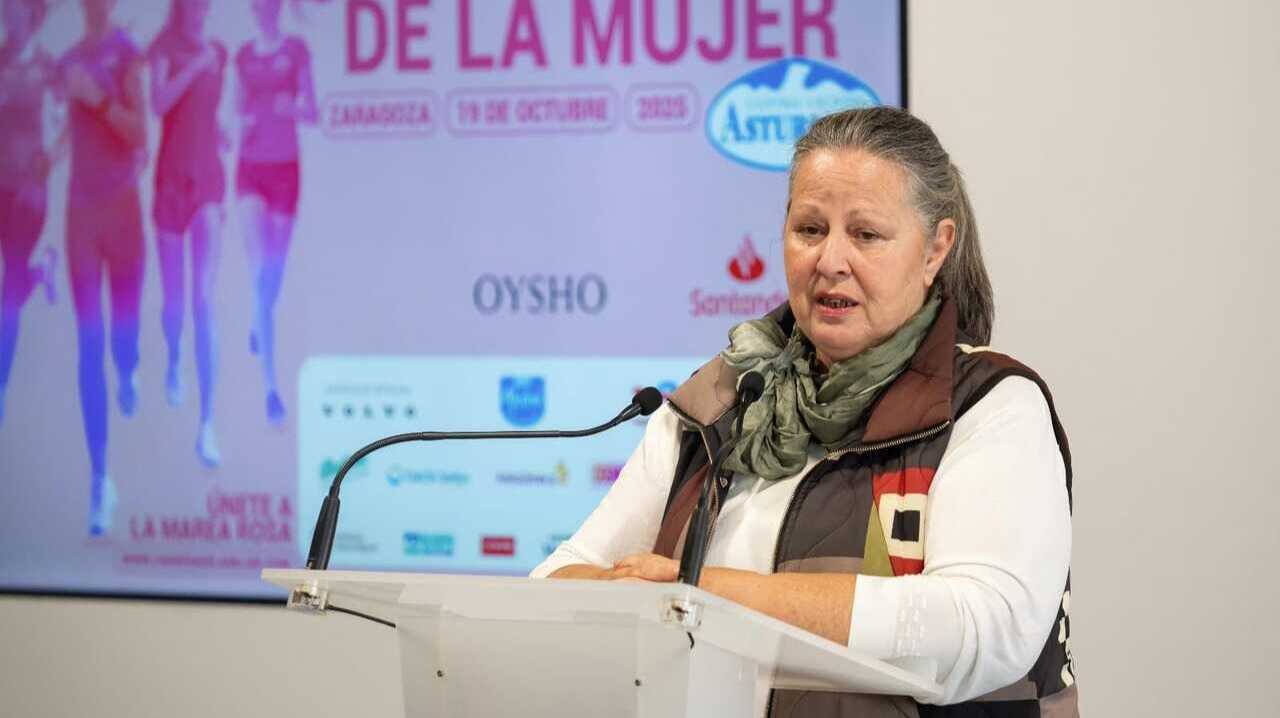
Its president, María José Rivas, knows that journey well. In 2010, just a few months after losing her sister to metastatic breast cancer, she began to notice persistent pain in her left arm. She insisted that her mammogram, scheduled for several months later, be brought forward, and the test confirmed a tumor at a very advanced stage. “It was as if someone had suddenly pulled the handbrake,” she says.
The operation took place on January 4, 2011. She underwent a radical mastectomy and had the lymph nodes in her armpit removed, followed by chemotherapy, radiotherapy and 12 years of hormone treatment. For weeks, she hid the diagnosis from much of her family to protect them during those first Christmases without her sister.
INCREASINGLY YOUNGER PATIENTS AND THE CHALLENGE OF DETECTING CANCER EARLIER
One of Amac Gema’s major concerns is younger women. Although the most common profile is among women over 50, the association has been seeing patients aged 30, 36 and 39 for some time. “It is not the usual situation, but we do see many young patients,” Rivas explains, noting that these women fall outside screening programs and may be diagnosed at more advanced stages.
Amac Gema was founded in Zaragoza in 1994 following a conversation between two women, one with breast cancer and the other with ovarian cancer
For this reason, the organization has been calling for years for the age at which women can access screening to be lowered. Rivas notes that expanding access from age 45 is still being introduced gradually in Aragon so as not to put further pressure on a system that, she warns, is already suffering from overcrowding. For her, the goal is clear: the earlier a tumor is detected, the better the prognosis and the surgery, and the greater the chances of avoiding more aggressive and harmful treatments.
While research advances, she insists, prevention remains an everyday tool. Examining your breasts, becoming familiar with changes in your own body or consulting a doctor about a lump, retraction or skin change can make a difference. “Prevention is in our hands,” she says. The point is not to live in fear, but not to normalize new signs and to seek professional advice when something changes.
FROM A SMALL OFFICE IN ZARAGOZA TO A SUPPORT NETWORK
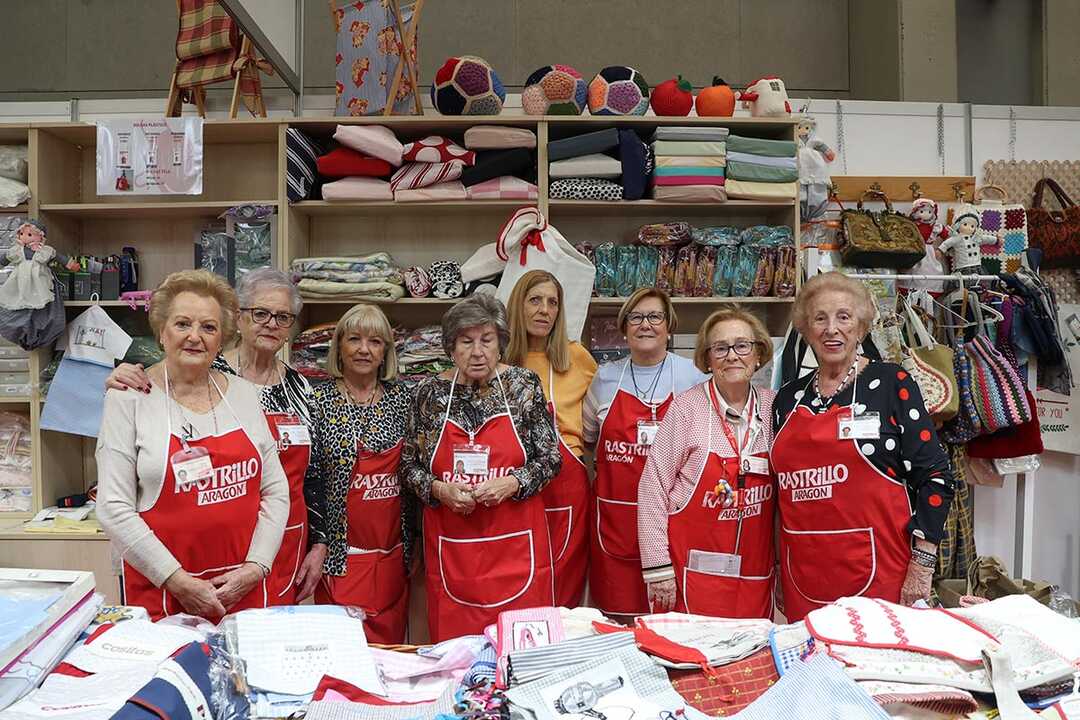
Amac Gema was founded in Zaragoza in 1994 following a conversation between two women, one with breast cancer and the other with ovarian cancer, who discovered in waiting rooms something they found nowhere else: the chance to talk without having to protect anyone. At home, they said they were fine so their families would not suffer; together, they could acknowledge their fear, uncertainty and exhaustion. That small office gave rise to a support network.
Today, the association offers physiotherapy for the aftereffects of surgery and lymph node removal, psycho-oncological care for patients and relatives, and social work support with paperwork or employment problems. This is complemented by a network of volunteers who have experienced the disease. “We are a reflection of what is possible. I have been doing this for 15 years; why couldn’t she be where I am in 15 years?” Rivas says.
Listening, she explains, is often just as important as any other resource. Some women arrive with a difficult illness and, on top of that, relationship conflicts, financial problems or rejection from their own surroundings. In hospital, they may keep their composure in front of their families and break down in tears when they are alone. “We all carry a backpack full of stones,” Rivas repeats; the challenge is to help remove some of them before they weigh too heavily on their lives.
NOT EVERYONE WANTS TO BE A “WARRIOR”
That perspective also challenges some of the messages surrounding cancer. “You are strong,” “you are a warrior” or “it’s nothing, you’ll get through this” are expressions of affection, but they do not always help. “This does happen,” she stresses. For Rivas, turning the disease into a battle can make people who are afraid, relapse or fail to overcome it feel guilty. The association is calling for space for vulnerability and for talking about death without hiding it.
That is why one of her simplest recommendations is to become an active patient. Rivas advises taking a “little notebook” to appointments and writing down all your questions between visits. “Even if they seem silly, if they are things that worry you, it is good to ask about them,” she says. She also wants healthcare to continue advancing in humanization and for available psychological and social resources to become more visible and accessible.
On this World Breast Cancer Day, her message is aimed both at those who have just received a diagnosis and at survivors and those living with metastatic disease. Amac Gema is calling for more research and urging people not to forget women who relapse years later or leave follow-up programs. “They should know that we are here and that they are not alone,” Rivas concludes.