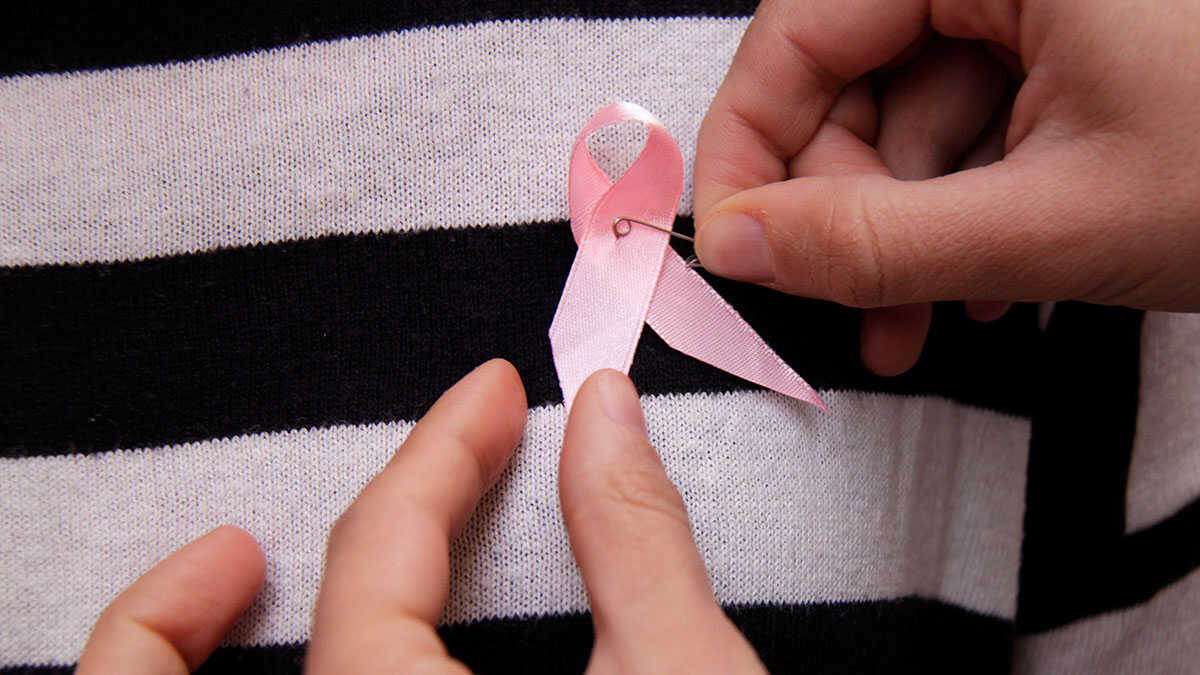
On the occasion of World Breast Cancer Day, observed this Monday, October 19, the Aragón Government’s Department of Health has issued a call to raise awareness of the importance of these tests. The latest available data show that 73% of tumors detected through the program were diagnosed at early stages, which supports a better prognosis and a higher quality of life for patients. The detection rate was 5.7 cancers per 1,000 women screened.
TERUEL LEADS PARTICIPATION
Last year, the screening program sent a total of 76,995 invitations and carried out 55,695 examinations across the region. By province, Teruel recorded the highest response, with 84.4% participation and 6,858 mammograms performed among the 8,124 women invited.
Huesca followed, with 10,372 of the 13,724 women invited attending the test, representing 75.6%. In Zaragoza, participation stood at 70%, with 38,465 examinations carried out from the 55,147 invitations sent. In this way, all three provinces reached or exceeded the European benchmark.
Attendance at these screenings also increases with age. While participation among women aged 50 to 54 was 66.8%, the rate rose to 72.2% among those aged 55 to 59 and 75% in the 60-to-64 age group. The highest figure was recorded among women aged 65 to 69, at 76.2%.
THE IMPORTANCE OF REGULAR SCREENINGS
Aragón’s early detection program is aimed at women between the ages of 50 and 69, who are offered a mammogram every two years. The goal is to identify possible cancerous lesions at an early stage, when treatment and recovery options are greater.
To facilitate participation, each woman receives a letter indicating the date, time and location of her appointment. Once the examination has been completed, she is informed of the result and when she should attend her next screening.
Breast cancer is the most common malignant tumor among women, both in Spain and across Europe. Despite its high incidence, survival rates are high when it is identified at an early stage. In the European Union, the average reaches 96% in these cases.
Furthermore, because of its frequency and high survival rates, it is the cancer with the highest prevalence in Spain, ahead of colorectal cancer, which ranks second among the most common tumors in women.
HEALTHY HABITS TO REDUCE RISK
Alongside the importance of attending mammograms, the Department of Health reminds people that adopting a healthy lifestyle can help reduce the risk of developing breast cancer.
The main recommendations include limiting alcohol consumption, avoiding tobacco, maintaining a balanced diet based on the Mediterranean diet and engaging in regular physical activity, especially after menopause.
These measures, together with participation in early detection programs, contribute to preventing and diagnosing early a disease in which identifying the tumor in time can make a decisive difference.