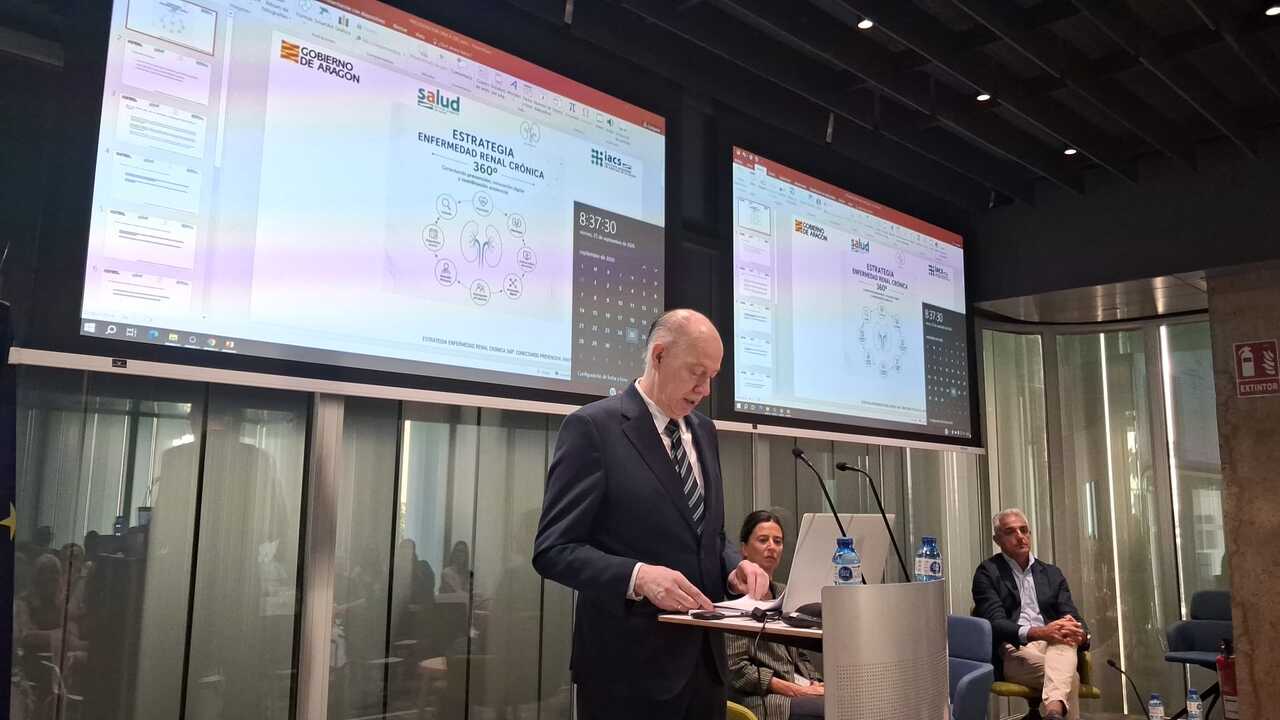
The strategy stems from the findings of the ERCAR-DM study, presented to the Department of Health in September 2024, which analyzed the prevalence and characteristics of chronic kidney disease among people with type 2 diabetes in Aragon using real-world clinical practice data. The study showed that chronic kidney disease is a frequent complication in these patients and identified underreporting of the diagnosis in medical records.
Based on these findings, the Department of Health promoted the development of a strategy aimed at improving screening for people with risk factors, supporting early diagnosis and establishing a defined care pathway for people with chronic kidney disease throughout the different stages of the disease, with the goal of delaying its progression.
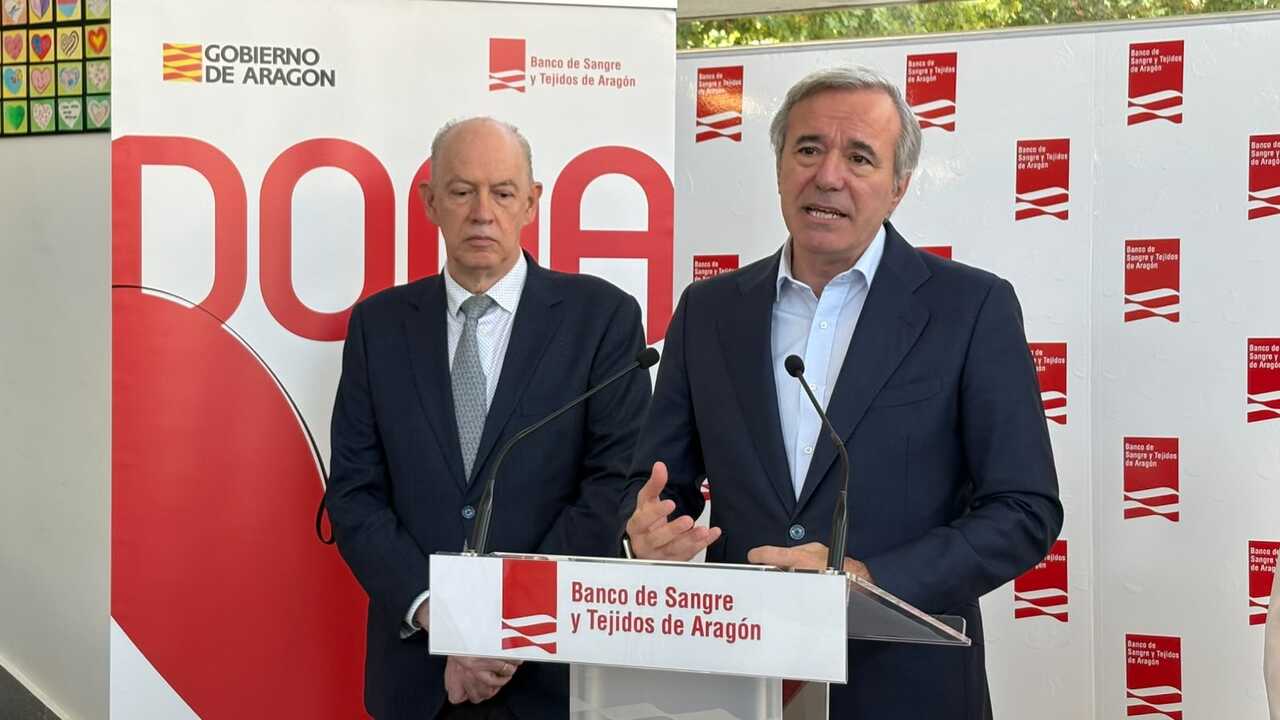
Health Minister Ángel Sanz Barea took part in the opening of the event, which brought together professionals from Primary Care, Nephrology, Pharmacy and other areas of healthcare to address the main challenges related to this condition and share the strategic guidelines established. "Our aim is to improve screening for people with risk factors, support earlier diagnosis and establish a clear, coordinated care pathway throughout the disease process. All of this is intended to delay its progression and improve people's health," Sanz said.
Accordingly, the meeting addressed the care process from a comprehensive perspective, with content ranging from prevention and screening to diagnosis, classification and initial assessment, treatment and monitoring of the disease through to the end of life. Coordinated, person-centred care. One of the activities organized focused on caring for people with advanced chronic kidney disease, emphasizing the need to strengthen multidisciplinary collaboration.
Professionals from Nephrology, Nursing, Primary Care and Quality took part, along with an Alcer Ebro representative serving as an expert patient. This highlighted the importance of including patients' perspectives in the design and development of healthcare that is more closely tailored to their needs.
The strategy also includes digital tools designed to facilitate monitoring of people with chronic kidney disease. In this area, the Personal Chronic Kidney Disease Plan, integrated into the electronic medical record, was presented, along with prescribing support tools for electronic prescriptions.
One of the strategy's new features is coordinated work between the Directorate-General for Planning and Teaching and the Directorate-General for Digital Health to develop the strategy and the Personal Chronic Kidney Disease Plan in parallel, together with specific improvements to the electronic medical record.
PREVENTION AND KIDNEY HEALTH
The program also included a session on the relationship between kidney health, Public Health and the School of Health. It addressed disease prevention from a cross-cutting perspective and focused on the importance of promoting habits and actions that help preserve the health of the population. With this approach, the new strategy seeks to strengthen continuity of care and coordination among the different levels and professionals involved in caring for people with chronic kidney disease, integrating prevention, healthcare, digital innovation and patients' experiences.
The event was also available via streaming to facilitate the participation of professionals from different healthcare sectors in Aragon.