However, before heading out to collect mushrooms in Aragon, it is important to know the rules governing this activity. Not all forests allow unrestricted foraging, as some areas are regulated and require a mushroom-picking permit. In addition, the maximum amount that can be collected varies depending on the type of use and the relevant authorization.
Correctly identifying species is also essential, as some mushrooms can be poisonous or even deadly. So, if you are planning to enjoy the 2026 autumn mushroom season in Aragon, here is what you need to know about the permits required, their cost, how many kilos you can collect and the best areas in Zaragoza, Huesca and Teruel to find them.
PERMITS TO COLLECT MUSHROOMS IN ARAGON IN 2026
Mushroom picking in Aragon is regulated by Decree 179/2014 of November 4, issued by the Government of Aragon, which establishes the conditions for harvesting wild mushrooms on both public and private forest land.
The regulations distinguish between occasional harvesting for personal consumption and regulated harvesting, which requires authorization from the holder of the relevant area. In the first case, up to 3 kilos of mushrooms per person per day may be collected without a permit, provided the activity is not for profit, the landowner has not prohibited foraging and the forest is not located in a regulated area.
By contrast, a permit is required in mushroom parks and other regulated harvesting areas, even when the mushrooms are collected solely for personal consumption.
Standard mushroom-picking permit
The standard permit is intended for people who collect mushrooms for recreational purposes. Under regional regulations, it allows up to 12 kilos of mushrooms per person per day to be collected, although it is important to check the specific conditions in each area before starting.
Its price depends on the mushroom park, the duration of the authorization and, in some cases, whether the applicant is registered as a resident in one of the municipalities included in the harvesting area.
Commercial permit
People who collect mushrooms with the intention of selling them must obtain a commercial permit, which sets a maximum limit of 60 kilos per person per day. In this case, only species authorized for sale may be collected, in accordance with the applicable health regulations.
Permit for mushroom associations
There are also specific authorizations for members of mushroom associations carrying out educational or outreach activities on a nonprofit basis. These allow up to 3 kilos or an apparent volume of 10 liters per person per day to be collected, provided the species are wild and not threatened.
WHERE TO APPLY FOR MUSHROOM-PICKING PERMITS
One option for obtaining a permit is to use the MicoAragón platform, which allows users to select the mushroom park where they wish to forage and process the available authorizations.
The procedure involves accessing the website, choosing the foraging area on the map of Aragon, registering, selecting the type of permit and entering the planned date for heading into the forest. Depending on the area, authorized points of sale may also be available, or permits may be processed at the relevant town halls.
Areas with regulated mushroom harvesting include the Community of Albarracín, the Moncayo area and various parts of Huesca province. At present, the platform only offers the option of purchasing permits online for the Albarracín Community Mushroom Park, in Teruel province. For the 2026 mushroom season, visitors can choose from three types of tourist permits, with prices varying according to their duration. The daily tourist permit costs 5 euros, the weekly permit costs 10 euros and the annual permit costs 60 euros.
PRECAUTIONS AND THE MOST COMMON EDIBLE MUSHROOMS IN ARAGON
Mushroom picking requires particular caution, as edible species coexist in Aragon's forests with others that can be poisonous or even deadly. One of the most dangerous is Amanita phalloides, consumption of which can cause severe poisoning.
For this reason, MicoAragón advises against picking any mushroom that cannot be identified with absolute certainty. Beginners, in particular, should take up the activity accompanied by experts, mushroom guides or specialized associations.
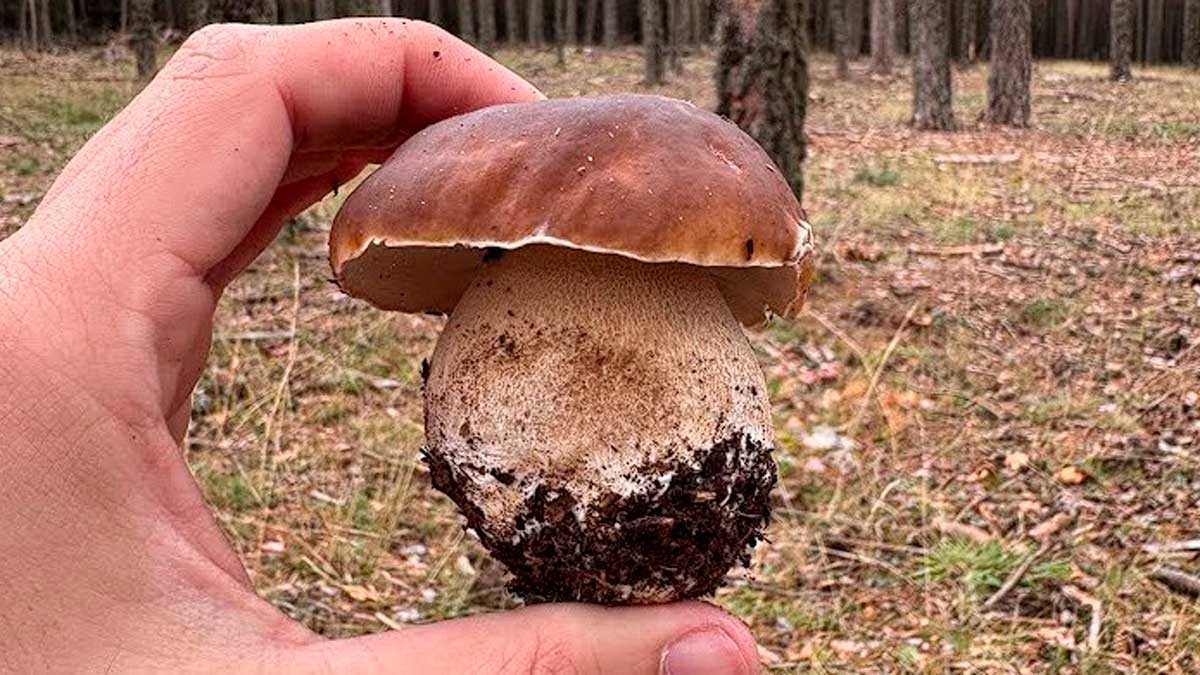
Among the best-known and most highly valued edible mushrooms in Aragon are the rebollón or robellón (Lactarius deliciosus), very popular in Aragon's pine forests; Boletus edulis, valued for its flavor and texture; the chanterelle (Cantharellus cibarius), recognizable by its yellow color; Macrolepiota procera, known for its large cap; and the king oyster mushroom (Pleurotus eryngii), commonly found in open areas and grasslands.
In addition to identifying species correctly, it is important to use a basket or ventilated container, avoid disturbing the soil and not destroy specimens that are unfamiliar, even if they are poisonous. All mushrooms play an ecological role in the forest.
It is also advisable to avoid picking mushrooms near roads, urban areas or contaminated land, as fungi can accumulate substances that are harmful to health. Once collected, they should be cleaned carefully, refrigerated as soon as possible and consumed while still in good condition.
WHERE TO PICK MUSHROOMS IN ARAGON? THE BEST AREAS OF ZARAGOZA, HUESCA AND TERUEL
Aragon has numerous natural areas where soil conditions, vegetation and moisture favor the growth of different mushroom species. In Zaragoza province, one of the best-known locations is Moncayo, whose forests provide suitable habitats for various species. It also has a regulated mushroom park, so the relevant authorizations must be checked before picking.
In Huesca, the Aragonese Pyrenees include some of the landscapes most appreciated by mushroom enthusiasts. The Hecho and Ansó valleys, as well as the Selva de Oza, are areas of mycological interest thanks to their forests and environmental conditions.
Teruel, meanwhile, has a strong tradition of mushroom picking. The Sierra de Albarracín, particularly the pine forests around Orihuela del Tremedal, is one of the best-known destinations. The Montes Universales and various areas of the Maestrazgo also stand out, offering species characteristic of Mediterranean and mountain forests.
In any case, the presence of mushrooms depends on rainfall, temperatures and the conditions in each forest, so these locations do not guarantee a good harvest on any particular date. It is also essential to check whether the land is in a regulated area and to respect existing restrictions.