According to ASAJA Aragón, measures to increase space and freedom of movement during animal transport could raise sector costs by between 25% and 30%, putting the profitability of farms and their competitiveness against other markets at risk.
The concern is particularly significant ahead of the meeting scheduled for October 23, at which the European Union Council Working Party on Animals and Veterinary Issues, in its Animal Welfare section, will debate the legislative proposal on the protection of animals during transport. Negotiations are moving toward identifying the main points of disagreement among member states, while the Irish Presidency aims to reach an agreement before the end of the year.
For ASAJA Aragón, these negotiations are crucial to prevent uniform regulations from disproportionately harming regions such as Aragón, where intensive livestock farming plays a prominent role and distances to slaughterhouses and major export ports affect operations.
INSUFFICIENT LOADING AND TRANSPORT CAPACITY
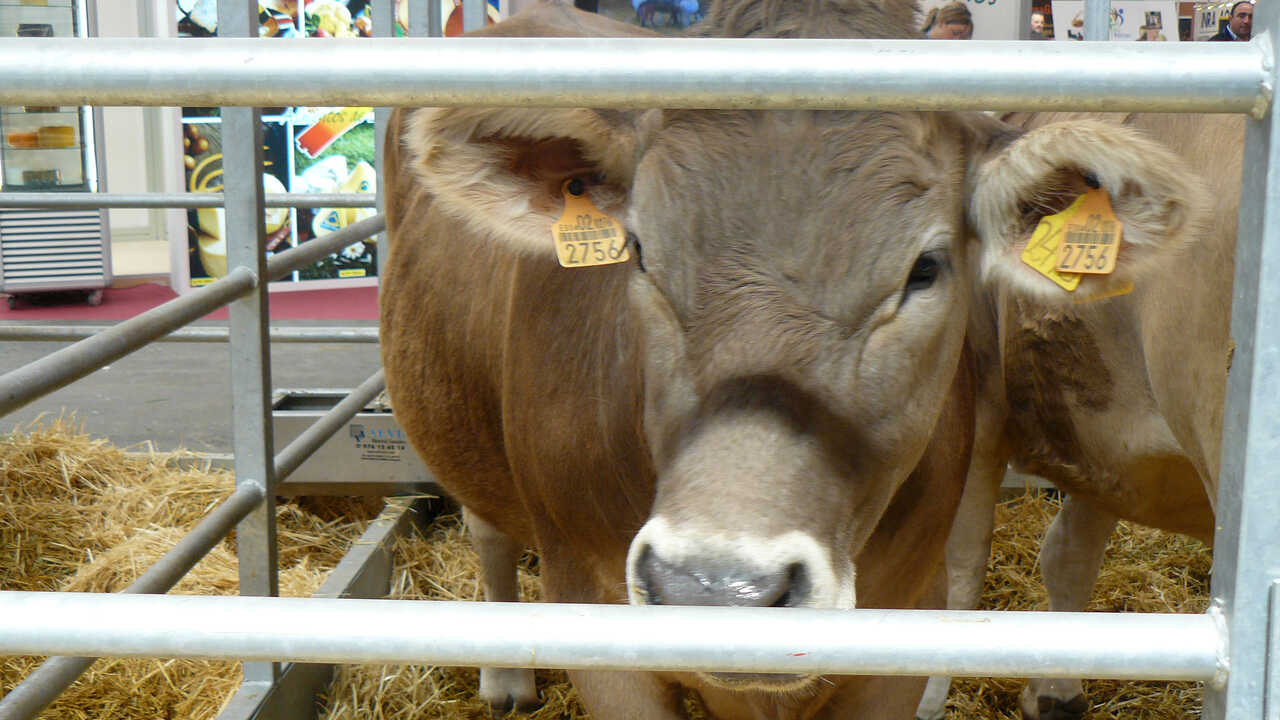
One of the issues causing the greatest concern in the sector is the reduction in truck loading capacity. According to data provided by ASAJA Huesca and transport associations, the proposal could reduce the number of animals transported per vehicle by around 30%. This would make it necessary to use three trucks where two are currently sufficient, increasing logistics costs and transport requirements.
This is compounded by concern over the temperature limits set out in the regulations. ASAJA Aragón considers it essential for transport conditions to take into account climatic differences between European countries. In Spain, high summer temperatures are common, while northern European countries experience very different conditions. Applying uniform criteria without considering these circumstances could create operational difficulties and particularly harm farms in southern Europe.
THE REQUIREMENTS WOULD HARM LIVESTOCK FARMERS
The organization also points out that Aragón is far from major slaughterhouses and export ports. Tighter transport conditions could make it more difficult to market animals and undermine the export capacity of a strategic sector for the economy and rural employment.
ASAJA Aragón supports animal welfare as a priority but calls for the new requirements to be based on scientific criteria, remain proportionate and be economically and operationally viable. It therefore urges the Irish Presidency of the EU Council and the member states to review the most restrictive aspects of the proposal at the meeting on October 23. ASAJA Aragón insists that a European animal welfare policy cannot be built without listening to those who produce food.