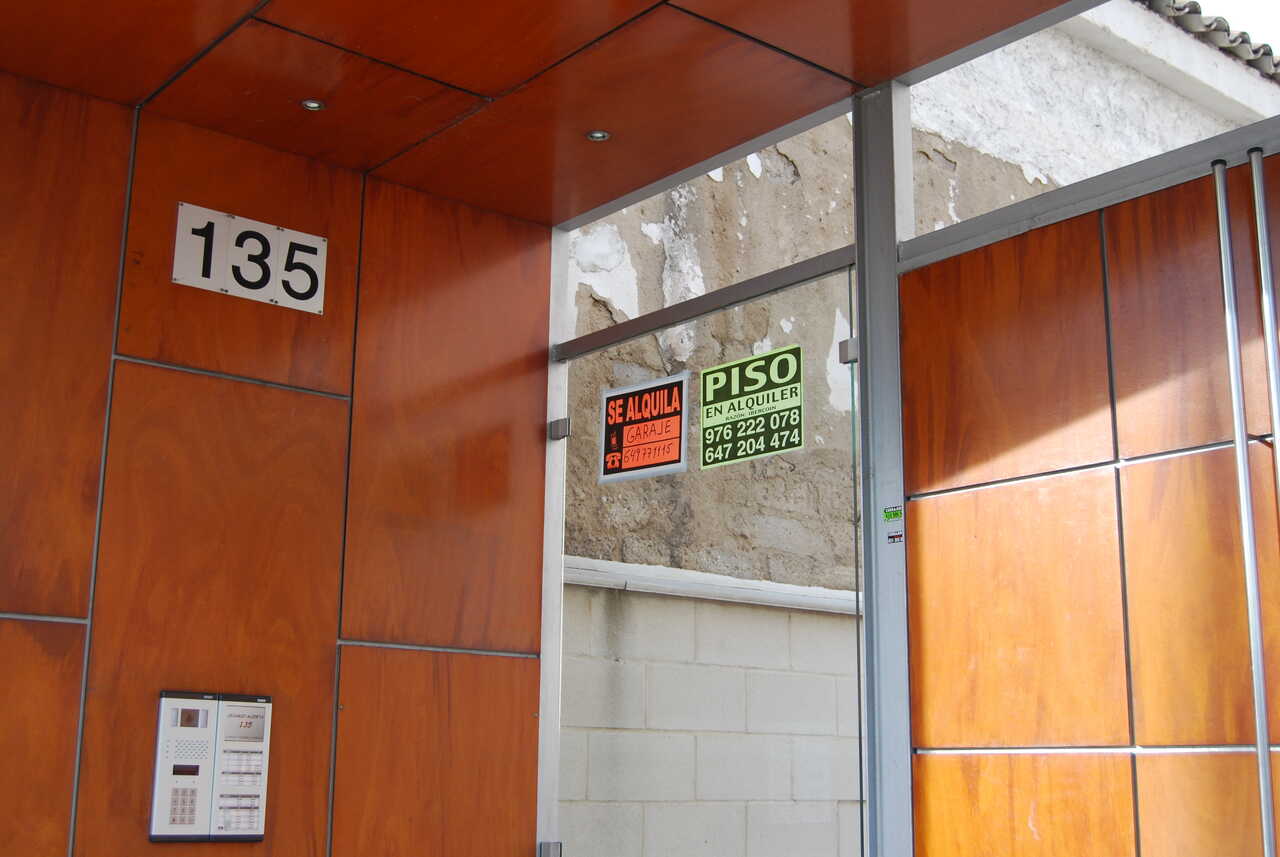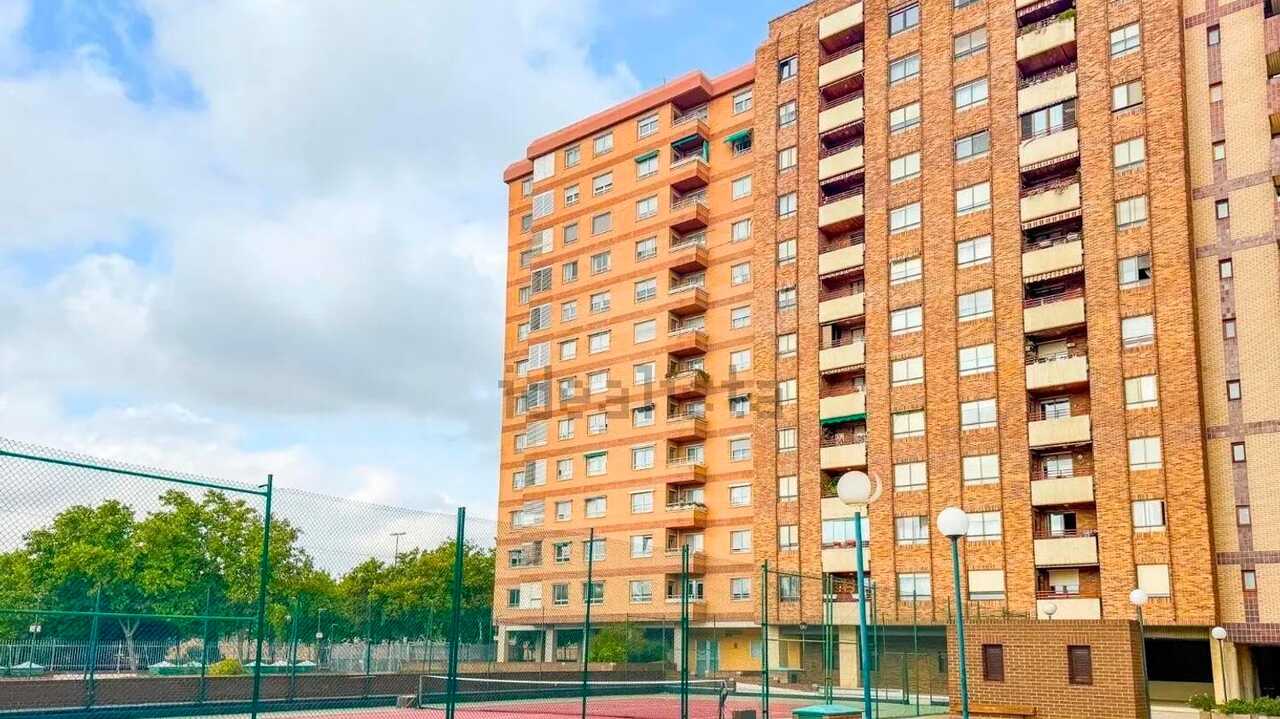

Since June 2018, average rents have risen by 45.2% in Spain. In September 2026, they stood at 15.1 euros per square meter per month, up 5.6% from a year earlier and just below the record of 15.3 euros reached in July. In Aragon, the average price is 11.2 euros per square meter, representing a year-on-year increase of 9.6%.
FEWER HOMES AVAILABLE TO RENT
The increase in prices has been accompanied by another phenomenon that makes the search for a home particularly difficult: a reduction in supply. Between the second quarter of 2018 and the same period in 2026, Barcelona lost 84% of its rental housing stock, while declines reached 76% in San Sebastian and 72% in Bilbao. Zaragoza has not escaped this trend either, with its supply falling by approximately 38%.
As homes disappear from the market, more and more people are competing for those that remain available. According to data from Idealista, relative rental demand has multiplied fivefold across Spain since 2018. Zaragoza stands out, with pressure from demand to find a rental home multiplying tenfold over these eight years.
BUYING A HOME IS ALSO MUCH MORE EXPENSIVE
The situation is not much easier for those looking to buy. In September, existing homes reached an average price of 2,930 euros per square meter in Spain after rising 11.8% in one year. The figure is practically at its historic high, recorded in July at 2,933 euros per square meter, and prices have now posted double-digit year-on-year increases for 21 consecutive months.
The difference from 2018 is even more significant. At that time, existing homes cost an average of 1,680 euros per square meter. Since then, the price has risen by 74.4%. In some provincial capitals, the increase has been even greater: prices in Valencia have more than doubled, while Malaga, Palma and Alicante are approaching 100% increases. Madrid has recorded a 79% rise.
ZARAGOZA LOSES 60% OF ITS HOMES FOR SALE
The problem also reappears on the supply side. The number of homes advertised for sale in Spain fell by more than 38% between the second quarter of 2018 and the same period in 2026. Zaragoza has seen an even sharper reduction, at 60%, one of the largest among the cities analyzed by Idealista. Only A Coruna, Bilbao and Vitoria recorded steeper declines.
Spain is thus facing the election campaign with a difficult combination for home seekers: prices far higher than eight years ago, fewer homes available and growing pressure from buyers and renters. The various measures adopted during these years, including the 2023 Right to Housing Law and the regulation of stressed housing market areas, are likely to be at the center of the political debate ahead of elections in which access to housing is once again emerging as one of the main economic and social issues.