25 YEARS WITHOUT RENEWING REPRESENTATION
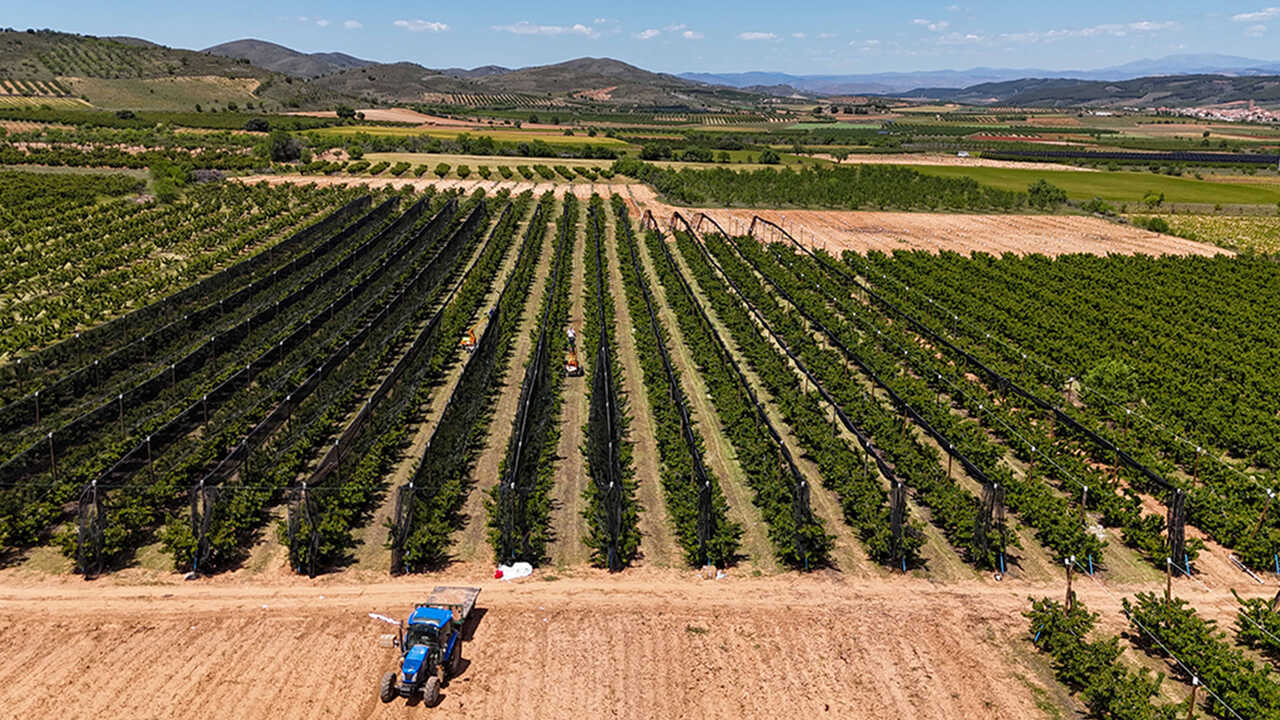
Aragon’s last agricultural elections were held in 2001, even though Law 2/1996 on Aragon’s Agricultural Chambers stipulates that officeholders must be renewed every four years. The organizations believe the current situation no longer reflects the structural and generational changes experienced by the agricultural and livestock sector over the past quarter-century.
The case of Teruel is one of the examples they cite to support their request. Of the 25 representatives elected 25 years ago, two have died and, of the remaining 23, only one is under 50. In addition, nine are over 70 and another nine are over 60—figures that UAGA-COAG and the Chambers say highlight the need to update these bodies.
A VOICE TO NEGOTIATE THE CAP, WATER AND LAND USE
UAGA-COAG and the Chamber representatives maintain that the cost of organizing elections should not be used as an argument for continuing to delay them. They argue that farmers and livestock breeders need elected representatives to convey their position to public authorities on issues such as the CAP, water management and land-use planning.
Agricultural Chambers are public-law corporations that also cooperate with the Administration on matters such as land consolidation, livestock trails, expropriation boards and the Hunting Council. Their representatives believe these responsibilities make it even more important to have renewed bodies.
THE FUTURE OF THE AGRICULTURAL CHAMBERS
The request also comes amid an ongoing debate over the future of these institutions. Two possibilities are under consideration: maintaining the Agricultural Chambers and strengthening their powers, or moving toward their abolition through an agreement between the Government of Aragon, agricultural organizations and the Chambers themselves. In the latter case, it would be necessary to determine who would take over their responsibilities and what would happen to their assets and staff.
UAGA-COAG maintains that this discussion should not prevent elections from being called. “Whichever path is chosen, it is absolutely essential and necessary to hold agricultural elections, whatever the cost. It is an obligation: we, the people who work professionally in the countryside, deserve it,” concluded UAGA-COAG Secretary-General José María Alcubierre.