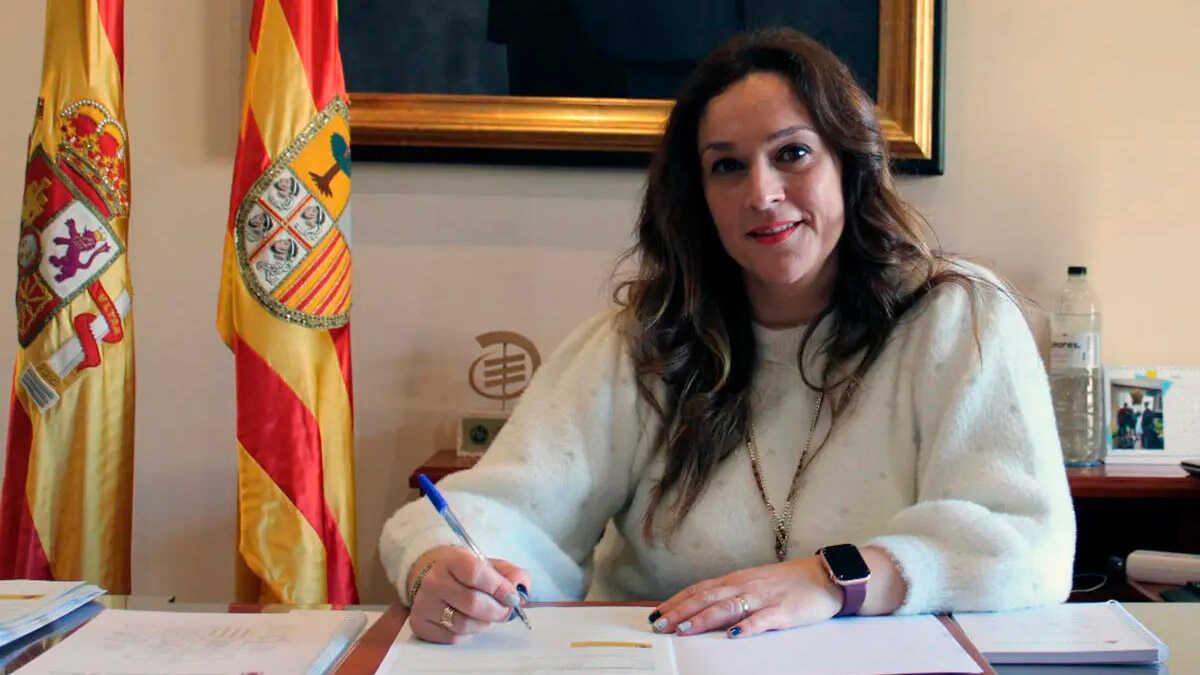
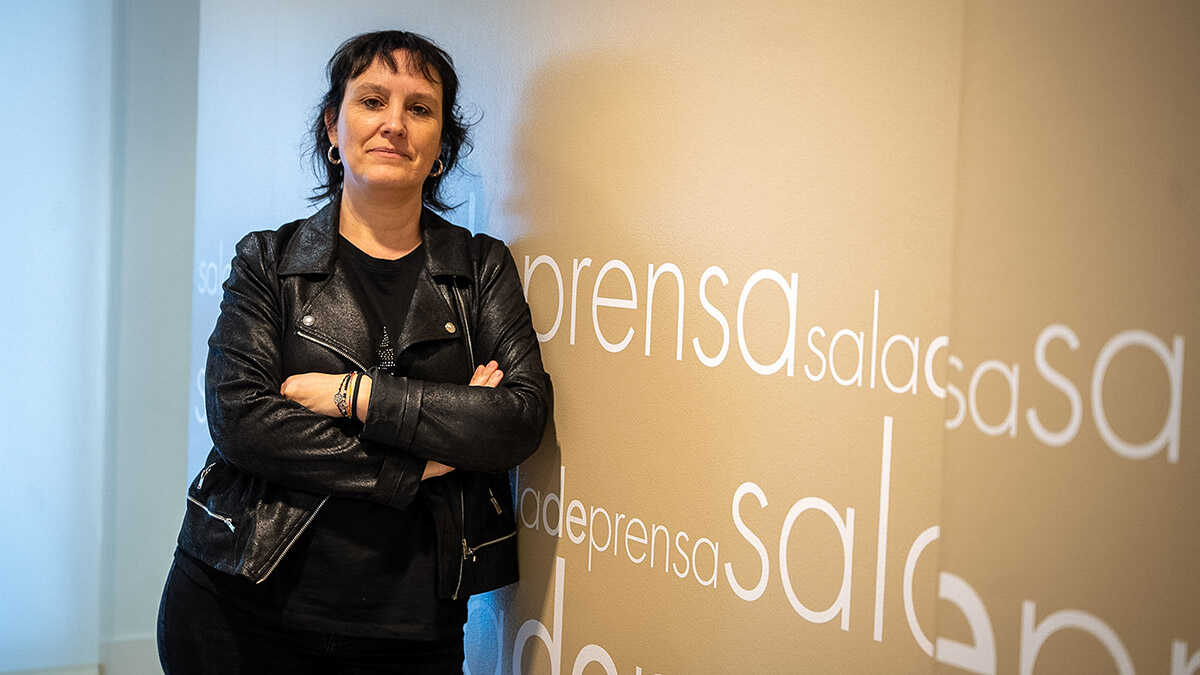
“When the right is not in government, everything is insults. And when it is in government, everything is cuts,” Canales said, criticizing the government of Jorge Azcón for rejecting a proposal aimed at improving the rights and opportunities of women in rural areas. The lawmaker recalled the cuts that, she said, previous Popular Party governments implemented in areas such as pensions, labor rights and equality policies.
Canales warned that the rejection of the statute reflects, in her view, the political model that the PP and Vox want to extend across Spain. In Aragon, she said, Azcón’s government is following the same path with decisions that the PSOE considers setbacks for rights and public services.
THE MEASURES IN THE RURAL WOMEN’S STATUTE
The lawmaker explained that the PSOE had introduced a bill in the Aragonese Cortes to create the 21st-century Rural Women’s Statute. The initiative sought to recognize these women’s rights, guarantee equal opportunities and enable them to pursue their personal and professional projects without having to leave their villages.
The proposed measures included promoting female employment, supporting women entrepreneurs, improving access to training and strengthening work-life balance and shared responsibility. They also included proposals to give professional recognition to female farmers and livestock breeders, promote joint ownership of farms, combat gender-based violence and increase women’s presence in representative and decision-making bodies in rural areas.
Canales defended the proposals as a response to specific needs that would help advance toward a model in which living in a village does not mean having fewer rights or opportunities. She therefore demanded that the PP explain why it supported the socialist initiative a few months ago but has now voted against it alongside Vox. “What has changed? Rural women still have the same needs, the same problems and the same demands,” she asked.
The lawmaker concluded by criticizing the Aragonese government for seeking to replace political commitments with institutional messages. “Rural women do not need the Aragonese government to dedicate a video to them once a year. They need it to defend their rights 365 days a year,” she said. “Equality is not demonstrated through greetings. It is demonstrated through political decisions, laws and budgets,” she concluded.