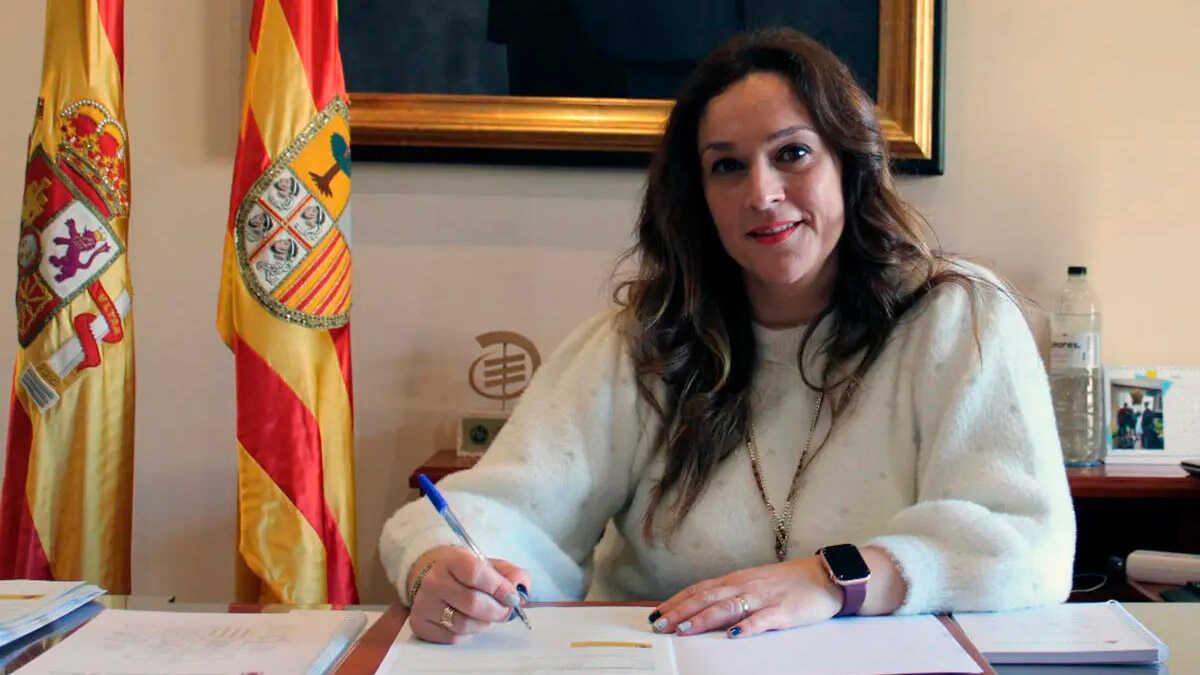
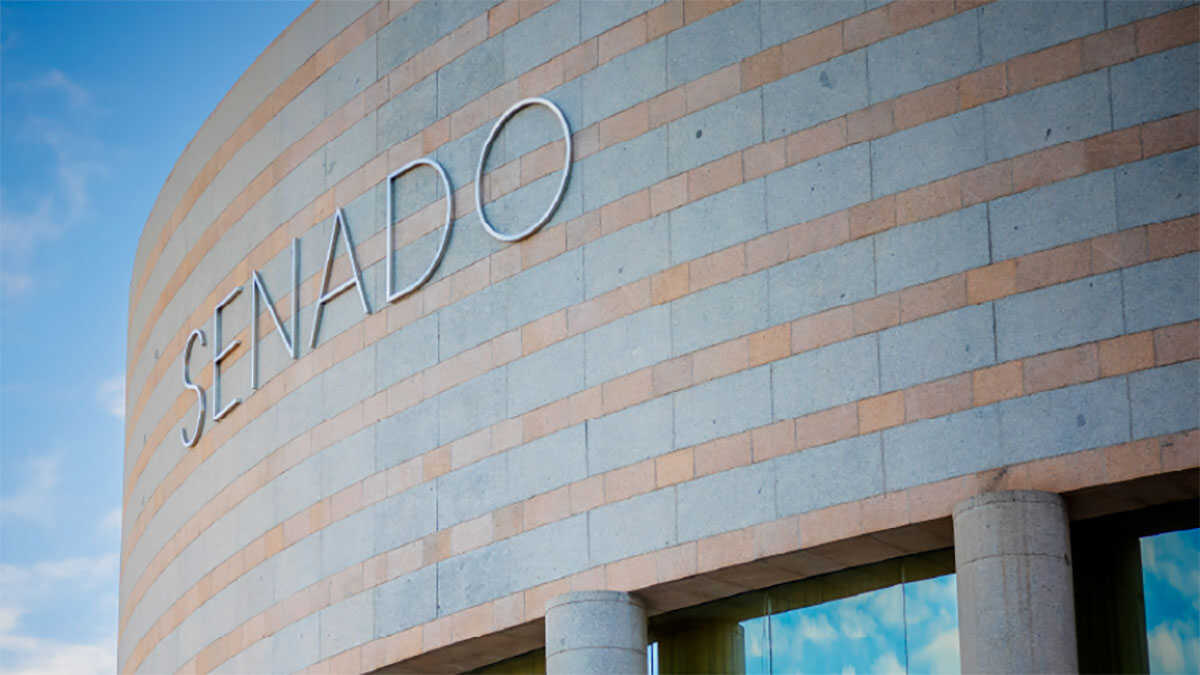
The secretary general of the PSOE in Aragon, Pilar Alegría, welcomed the agreement this Saturday on her arrival at the Socialists' Federal Committee, convened to ratify the candidates for Congress and the Senate. The party leader said the pact was a source of particular satisfaction for Aragon's Socialists, as it would strengthen the region's representation in the upper house. "That progressive Aragon will be reflected in the Senate," she said, before thanking the other Aragonese political forces for their willingness to reach an understanding.
HOW THE LISTS WILL BE DISTRIBUTED IN ARAGON
In Aragon's three constituencies, the PSOE will occupy the first and third positions on the lists, while the second will go to CHA in Zaragoza and Teruel and to IU in Huesca. The distribution is intended to increase the chances of representation for the parties running together, in an electoral system in which each voter can select up to three Senate candidates per province. Currently, the PP holds three of the four senators elected in each Aragonese province, while the PSOE holds one.
The PSOE in Aragon this Saturday before the Federal Committee meeting. Photo: PSOE
The national agreement brings the PSOE together with parties including Izquierda Unida, Movimiento Sumar, Compromís, Más Madrid, Chunta Aragonesista and Batzarre, as well as specific alliances in the Balearic Islands and La Gomera. However, the joint Senate candidacy does not mean that all these parties will also run together for Congress. In Aragon, CHA, IU, Sumar and other forces have formed their own coalition, Frente Amplio Aragón, to contest the lower house.
Alegría said the alliance responds to a request from progressive voters. "Left-wing citizens were asking us to be able to reach agreements, engage in dialogue and come together," she explained. The leader also stressed that the PSOE Aragon candidates submitted for ratification had emerged "practically unanimously" from their internal processes, and identified housing as one of the main political challenges of the next legislative term.
The pact seeks to change the balance of forces in the Senate, where the PP has an absolute majority and can influence the processing of certain laws and institutional decisions. According to internal Socialist estimates, a united candidacy could result in a difference of up to 40 seats compared with other electoral scenarios.