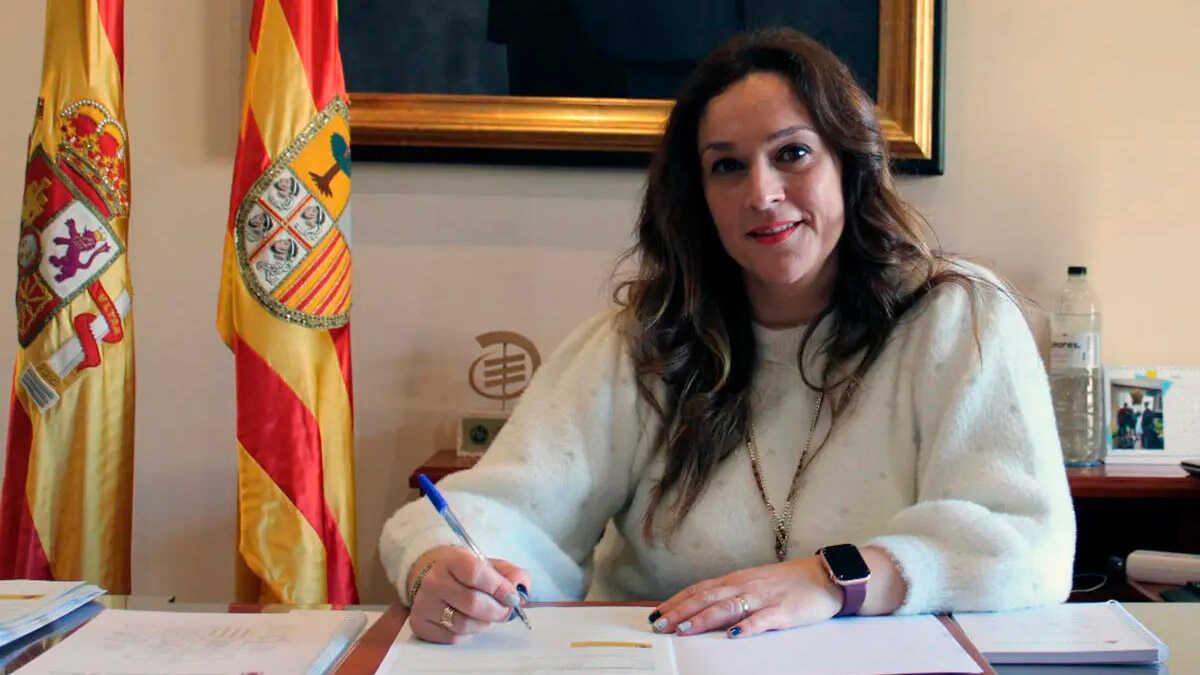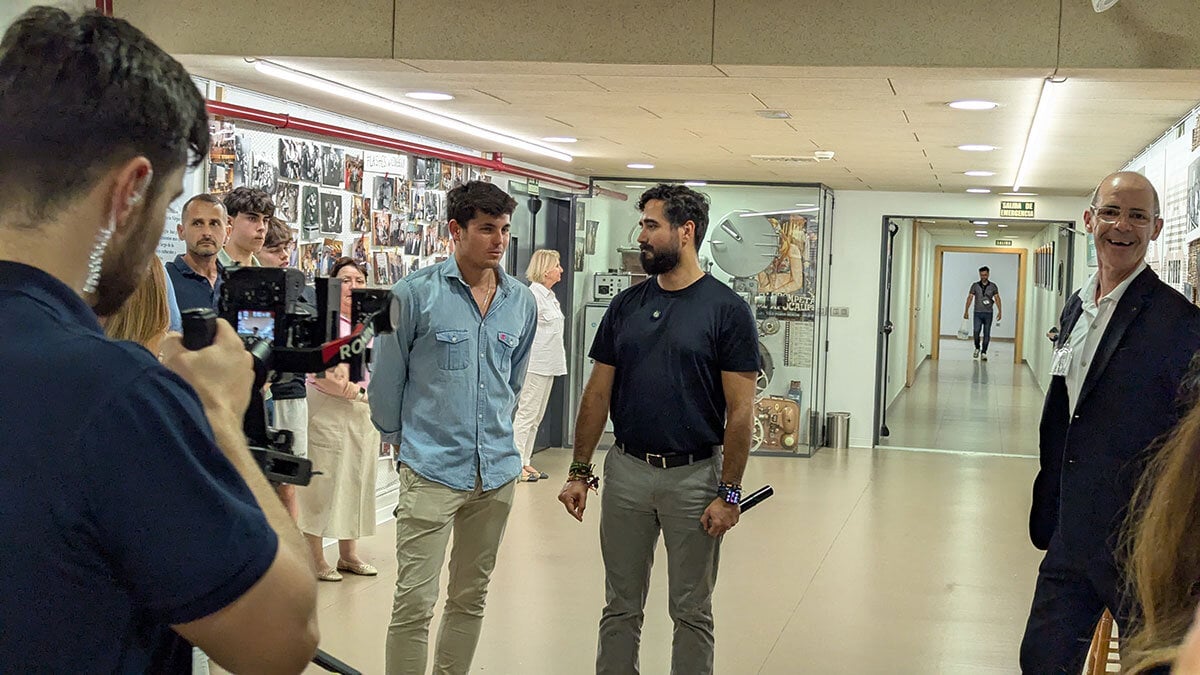
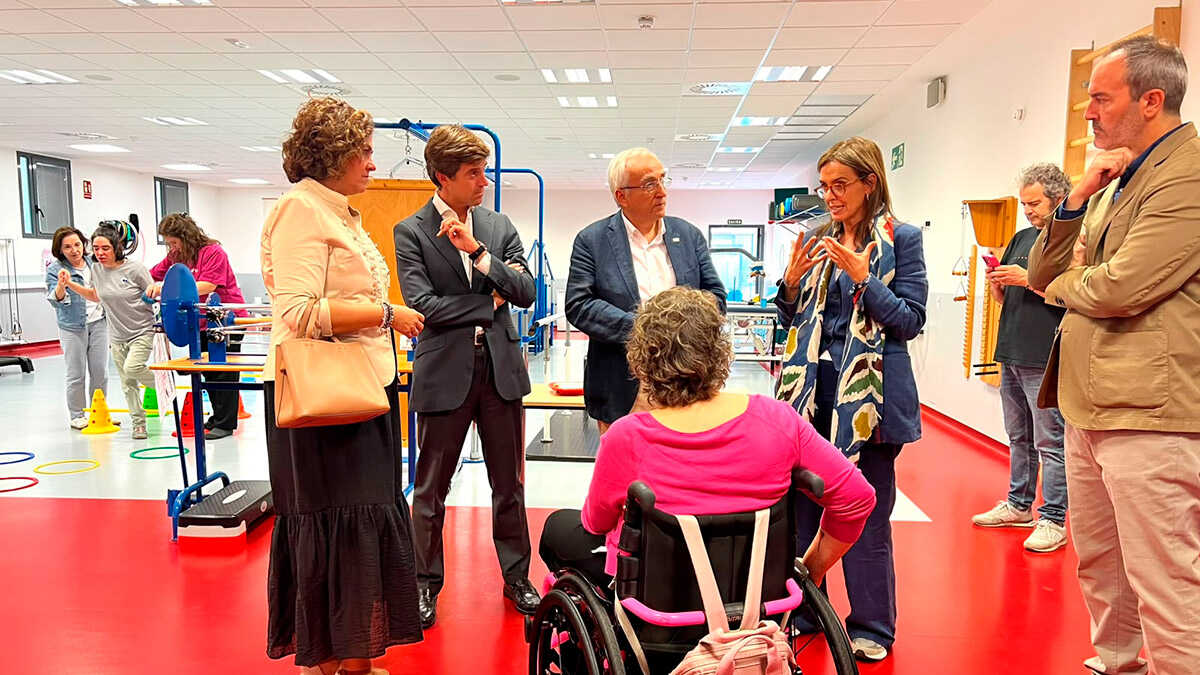
During her visit to the DFA Foundation in Zaragoza, Fúnez criticized the fact that the recent Law on Disability and Dependency was approved without an economic report guaranteeing the development of all the services, benefits and rights included in it. In her view, this situation “causes a great deal of frustration” among the people and families affected.
TAX DEDUCTIONS FOR DISABILITY
The People’s Party leader also argued that the recognition of dependency should have tax consequences and that newly recognized rights should have a real impact on families’ finances. As an example, she cited the tax deductions linked to the recognition of disability approved by the PP in the Senate and subsequently vetoed by the Government.
Fúnez insisted that change in social policies must translate into concrete measures for individuals and families, so that the rights recognized in the BOE have a real impact on their daily lives.
PP CALLS FOR RESOURCES FOR NEW RIGHTS
The deputy secretary for Health and Social Policy said that the PP would not make promises in the social sphere unless they were accompanied by “an economic and budgetary report”. She argued that rights recognized on paper must be able to reach “the sphere of each family’s life”. Fúnez believes the next legislative term should serve to “build and rebuild the welfare state” and adapt public policies to the new needs of an increasingly aging society.
The PP leader also called for efficient management of public resources and recalled that “public money has an owner”: “It is the taxes paid by all Spaniards”. For that reason, she demanded that any government official make “appropriate and efficient” use of those resources.
Fúnez also linked the effectiveness of social policies to cooperation with the third sector and defended the “active listening” of organizations that provide services and have first-hand knowledge of the needs of people with disabilities, patients and their families.
EMPLOYMENT AS A PATH TO AUTONOMY
The PP’s deputy secretary for Health and Social Policy cited the DFA Foundation’s model as an example, highlighting that it provides comprehensive care for people with disabilities throughout their “life project”. She also noted that a person’s disability likewise transforms “a family’s life project”.
Fúnez described employment as one of the main tools for guaranteeing the autonomy and full citizenship of people with disabilities. “A job for anyone, whether or not they have a disability, is what supports your life project,” she said.