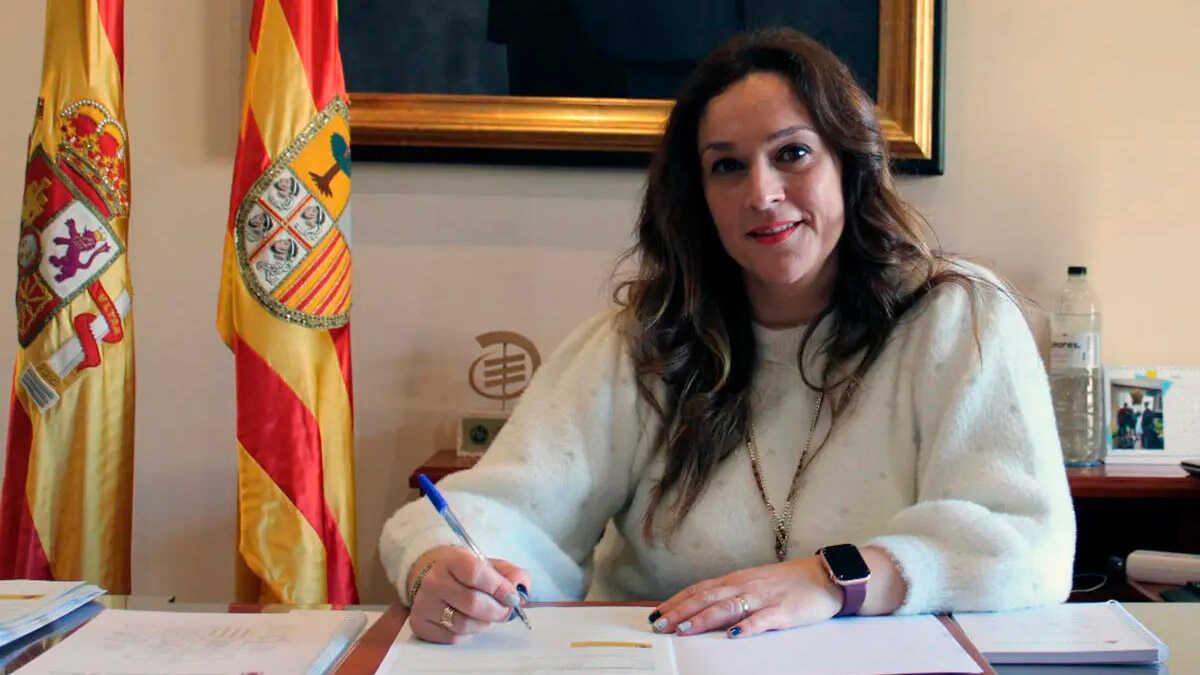
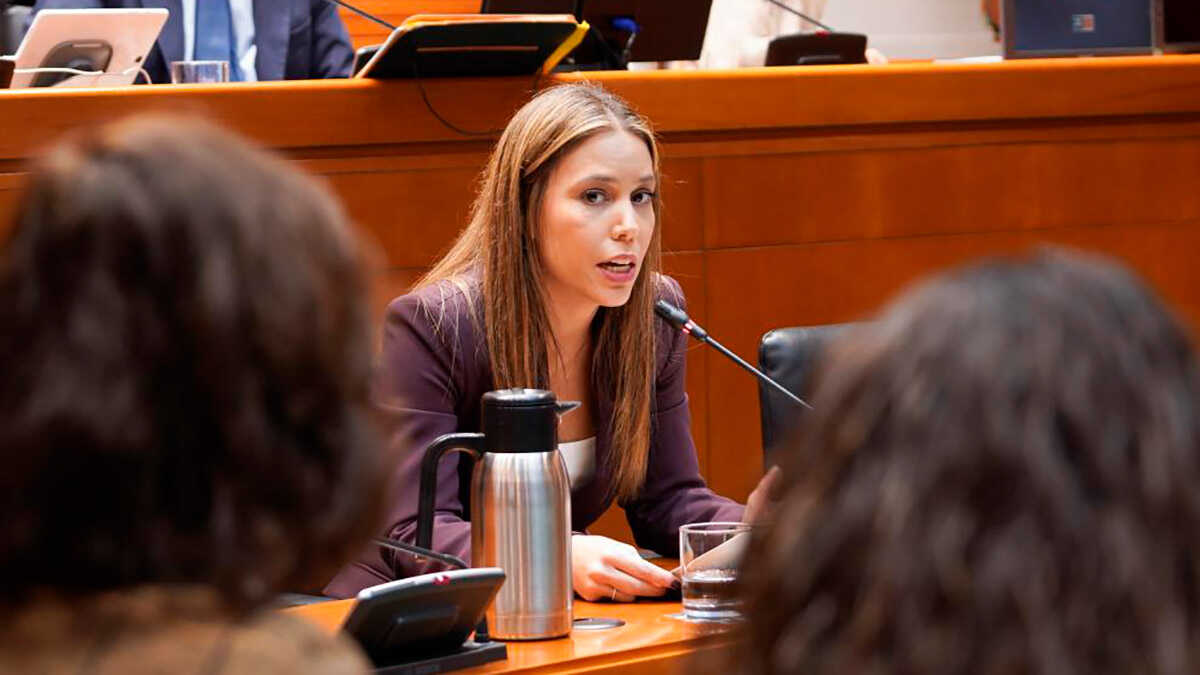
“It is not enough to publish information; it must be understandable and useful for citizens,” Serrano said. To advance this goal, she recalled the renewal of the Transparency Portal in 2024 and the launch, in 2025, of a new portal integrated into the regional government’s website. These measures have provided a “simpler, more intuitive and useful space, with improvements in security and performance”.
AN ADMINISTRATION THAT “EXPLAINS WHAT IT DOES”
“We aim to continue being an administration that explains what it does, why it does it and what results it achieves, while listening to citizens and addressing their inquiries, questions and complaints,” the director general stressed.
Among the tools designed to facilitate the monitoring of public activity, Serrano mentioned VisualGob, which allows users to check the degree of compliance with the commitments included in the Government Plan, and Gobierno Fácil, designed to make administrative information and documents more understandable and accessible. “All of this is because, for this executive, anything that is not understood is not enough,” she warned.
Another objective is to extend transparency to smaller municipalities. To this end, Serrano advocated “strengthening cooperation with local authorities, sharing tools and knowledge, and promoting in-person training on transparency”.
ARAGON STRENGTHENS ITS PRESENCE IN EUROPE
The region’s international projection also occupies a prominent place in the Directorate General’s areas of work. “We will defend the region’s interests, strengthen our participation in Europe, promote cooperation with other regions and bring the opportunities offered by the European Union closer to Aragonese citizens,” Serrano said.
The regional official outlined six areas of action concerning external affairs. The first consists of “strengthening Aragon’s presence in European institutions” through its active participation in the European Committee of the Regions. She also highlighted the “promotion of cross-border cooperation” through collaboration with the French region of Nouvelle-Aquitaine, as well as “strengthening ties across the Pyrenees” through the Working Community of the Pyrenees.
The other three objectives are to “promote training and specialization in European affairs” by continuing training grants at the Aragon Government Delegation to the European Union; “bring Europe closer to Aragonese citizens” through initiatives such as Europe Direct Aragon and training and communication activities, especially in educational centers; and “maintain institutional cooperation” with entities such as the Aragonese Federation of Municipalities, Counties and Provinces and the General Military Academy.
17 PUBLIC CONSULTATIONS DURING THE PARLIAMENTARY TERM
Regarding citizen participation, Serrano argued that the public must be able to intervene effectively in all stages of public policy, from its design to its evaluation. To advance in this direction, she highlighted two main tools used by the regional administration.
The first is prior public consultation, which “makes it possible to learn citizens’ opinions even before a specific regulatory text exists”. Seventeen have already been held during the current parliamentary term, a figure that, according to the director general, demonstrates their “consolidation as a standard practice in government action”.
The second instrument is citizen participation processes, which create “spaces for dialogue and deliberation among the people who take part”. Serrano explained that information about these initiatives is disseminated through the Citizen Participation Portal, where users can consult the documentation and access details of each process.
The Directorate General will also work to extend social innovation and the initiatives of the Aragon Open Government Laboratory (LAAAB) across the region. To this end, it will decentralize its activities, as happened last September with the open forum on mental health and youth held in Calamocha, Calatayud and Jaca.
The aim, Serrano stressed, is to move toward citizen participation and social innovation that are increasingly connected to the territory and closer to people, “listening more, collaborating better and building public policies together with citizens”.