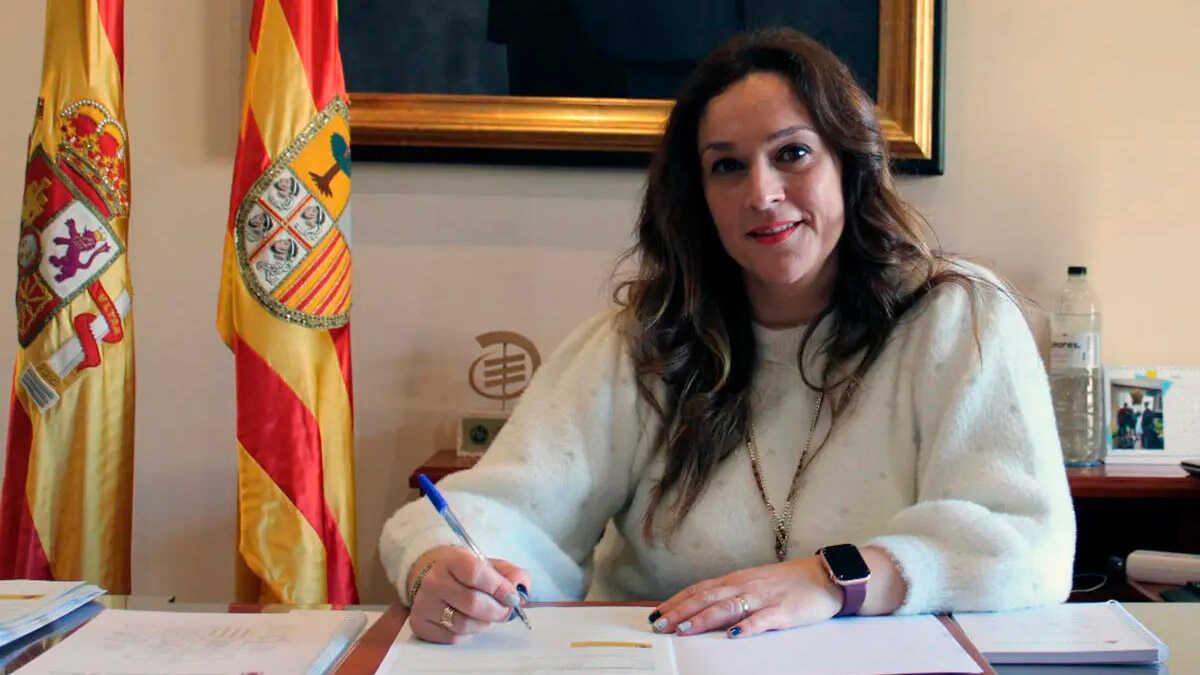
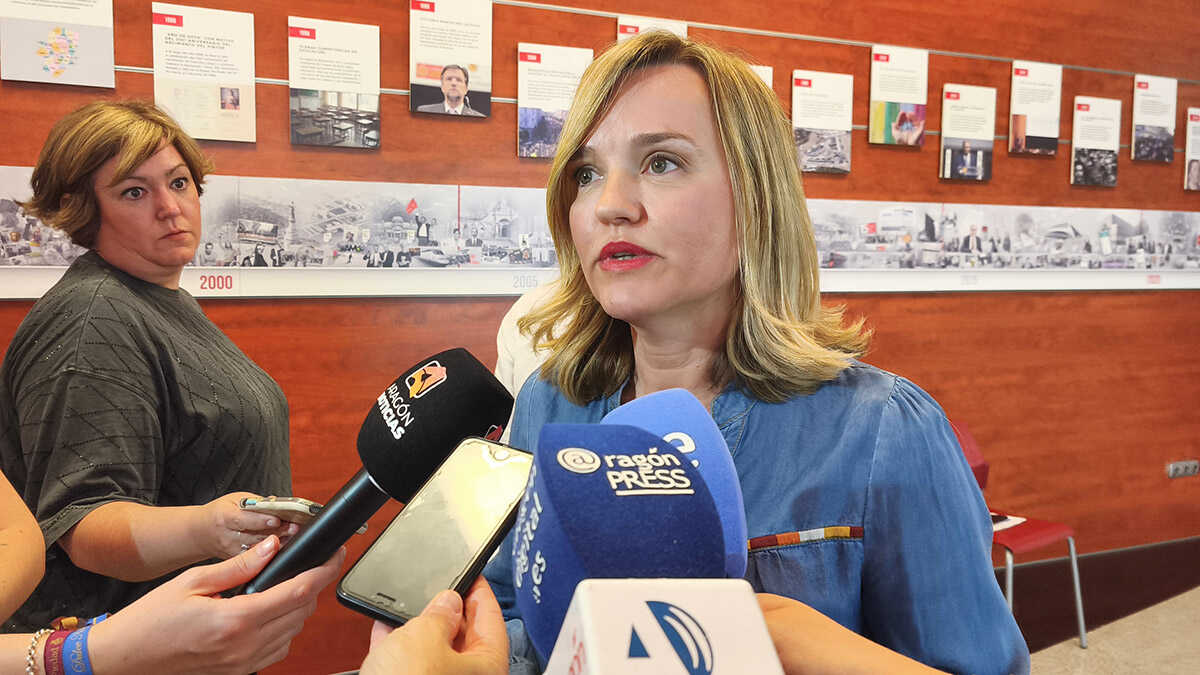
Alegría recalled that a general election was already held in 2023 and that voters chose a progressive government model that over the past few years “has succeeded in passing laws that have clearly improved citizens’ quality of life.” Among them, she cited the increase in the minimum wage, improvements to pensions and study grants, as well as the commitment to “the welfare state, with public healthcare and public education” as a central element.
The Socialist leader contrasted this record with the role played by the opposition during the legislature. While the PSOE government has opted, she said, for a path of progressive growth, “we have encountered the worst opposition this country has ever had to endure.” “An opposition that understood confrontation and opposition for opposition’s sake to be its roadmap,” Alegría added.
ALEGRÍA PRESENTS NOVEMBER 29 AS A CHOICE BETWEEN TWO MODELS
For this reason, Alegría believes that “the time has come for citizens to choose in the next general election on November 29 and, above all, decide the future they want for their country,” which can also be seen by observing the decisions of the Spanish Government and those of the Aragonese government.
“The choice is clear,” the PSOE Aragón secretary general insisted, before contrasting the two models that, in her view, will be at stake: “Either jobs, workers, grants, public healthcare, public education and housing, or, on the contrary, cuts, regression, vulture funds and speculators.” “This is the decision citizens must vote on and choose on November 29,” she said.