Huesca

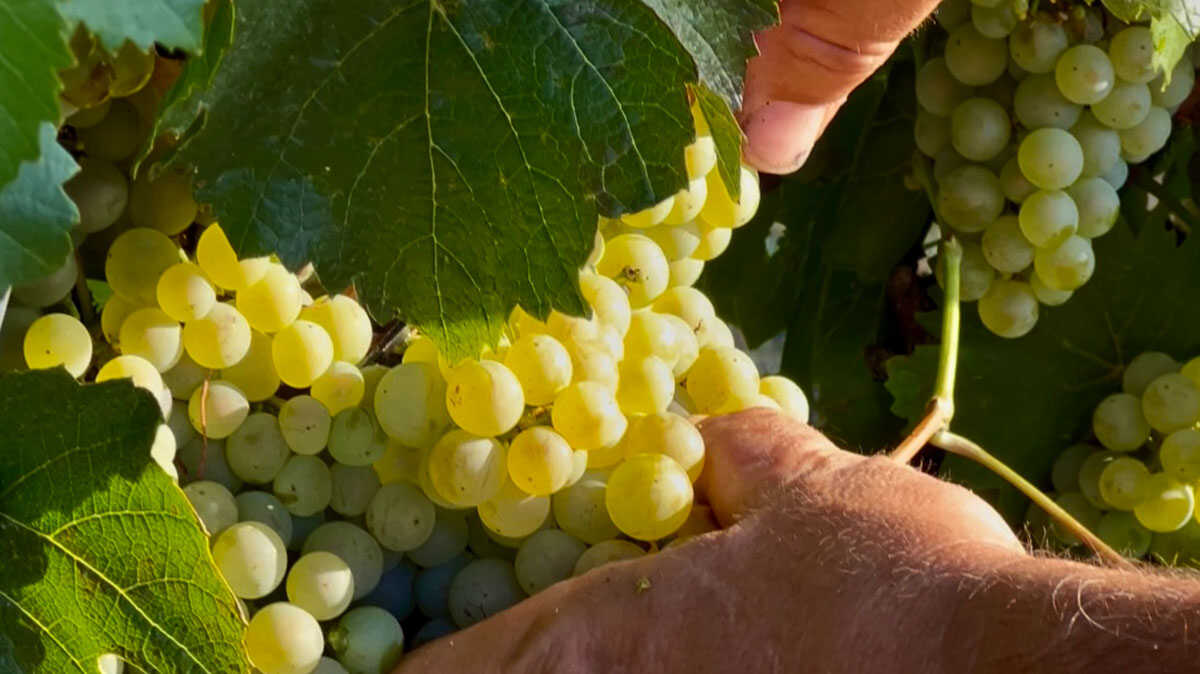
Somontano surpasses 17 million kilos of grapes and ends its earliest harvest

Somontano surpasses 17 million kilos of grapes and ends its earliest harvest

The Somontano Designation of Origin has concluded a historic harvest. The campaign began on July 30, the earliest date ever recorded by the Huesca quality seal, and ended on September 25, earlier than ever before. In fact, more than 95% of the grapes had already been picked by September 10.

The A-1603 Will Remain Restricted Through November 30 Due to Wildfire Damage

The A-1603 Will Remain Restricted Through November 30 Due to Wildfire Damage

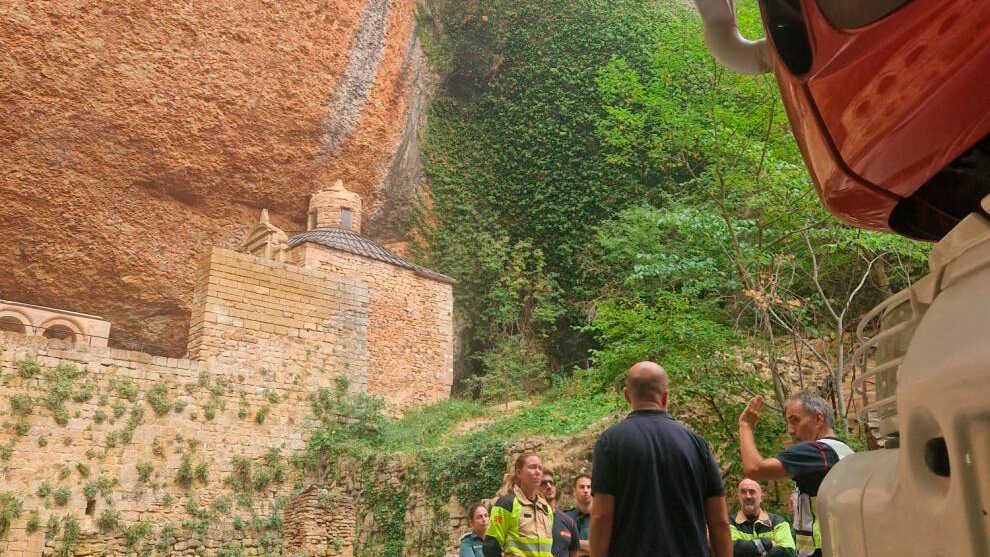
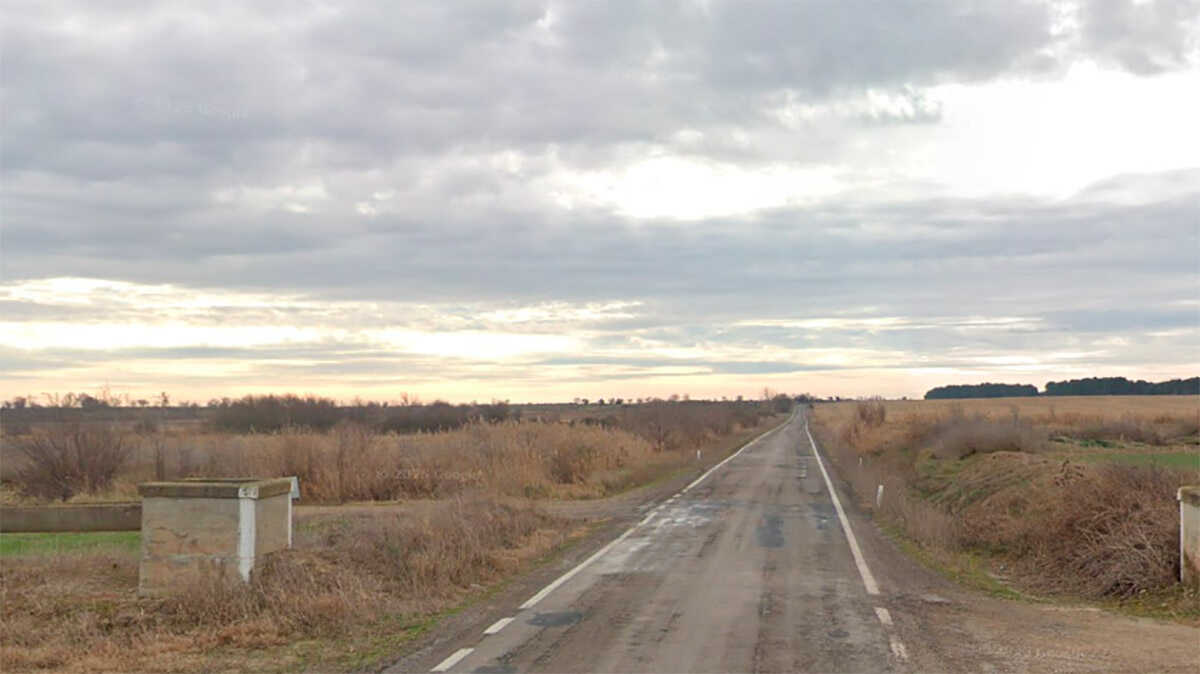
The Government of Aragon has decided to maintain traffic restrictions through November 30 on the A-1603 road between Santa Cruz de la Serñós and the junction with the Botaya road, in the province of Huesca. The measure remains in force because of ongoing risks in the area affected by the wildfire declared on August 10.

Huesca becomes the capital of sweets: 22 stalls and the best butter palmeras

Huesca becomes the capital of sweets: 22 stalls and the best butter palmeras

Huesca is sweet once again. The Huesca Is Sweet fair will return for its third edition with 22 stalls, one more than last year, and a program combining tastings, workshops, competitions, children’s activities and music. On Monday the 19th, a day specifically aimed at industry professionals will also be held.

Huesca’s underground secret: the Pyrenean cave that sheltered “witches” and took 30,000 years to form

Huesca’s underground secret: the Pyrenean cave that sheltered “witches” and took 30,000 years to form

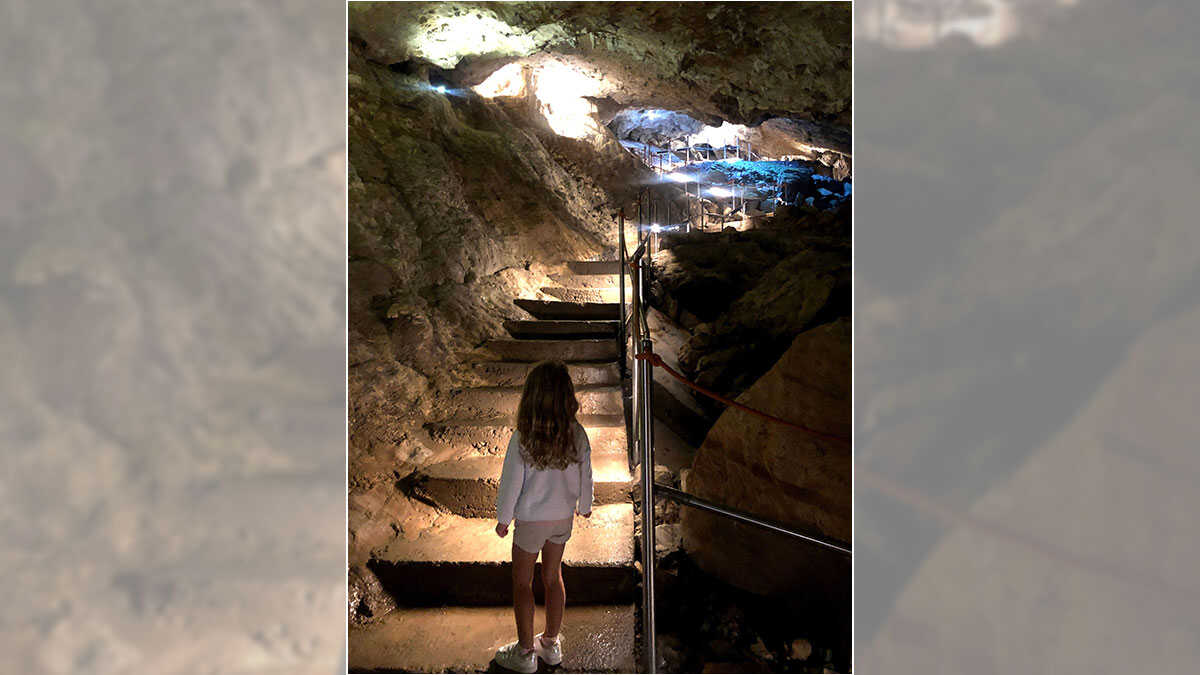
Some sites have the power to fascinate visitors from the very first step. The Cueva de las Güixas, located in the Huesca municipality of Villanúa, is one of them. Beneath the mountain lies a captivating network of stalactites, stalagmites and galleries patiently carved by the continuous action of water since the last Ice Age. This geological phenomenon, which began approximately 30,000 years ago, can now be explored through guided tours suitable for all ages. Recognized as one of the most unique caves in the Pyrenees, the grotto offers an underground journey among unusual rock formations, streams and idyllic corners. Its carefully designed lighting accentuates the contours of the stone and envelops visitors in an almost unreal atmosphere. The lighting highlights the contours of the walls and creates an atmosphere that transports visitors to another time. Photo: Turismo Aragón However, the appeal of the Güixas extends beyond geology. Its chambers provided shelter for humans as early as the Neolithic period and, centuries later, served such diverse purposes as a prison and a stronghold for military troops. This rich historical legacy is accompanied by an aura of legend passed down from generation to generation. Various documentary sources and oral traditions claim that, between the 15th and 18th centuries, the cave hosted nighttime gatherings and alleged witches’ sabbaths, becoming associated with the folklore of witchcraft. One of the most notable stories is that of Guirandana de Lay, executed in 1461 after being tried for sorcery. Today, the tour revisits these episodes with journalistic and scientific rigor. Through the guides’ accounts, visitors understand that the persecuted women were primarily victims of the era’s climate of superstition, moving away from the malicious myth used to portray them for centuries. A PRIVILEGED SETTING The Cueva de las Güixas is located in a privileged natural setting beside the Aragón River and very close to a small waterfall, allowing visitors to enjoy both the area’s geological heritage and its Pyrenean landscape. The opinions of those who have already visited reflect the positive impression the experience leaves. Many highlight the quality of the explanations during the guided tour and consider the ticket price fully justified. “Every euro seemed well spent,” reads one visitor review. Others recommend booking in advance, especially during the busiest months, as capacity is limited and places often sell out quickly. Reviews also frequently praise the cave’s surroundings, describing them as “spectacular,” where the landscape, river and nearby waterfall make the visit a complete experience. PRICES AND HOW TO BOOK Open throughout the year, the Cueva de las Güixas is undoubtedly one of the essential stops for anyone exploring the Pyrenees. Tickets to enter the cave and the CIN Interpretation Centre can be purchased online through the Turismo Villanúa website. All visits are guided and require advance booking because the site is protected and designated as a Site of Community Importance (SCI). Entering the cave independently is strictly prohibited. Duration: 1 hour and 15 minutes. Visitors must arrive on time for their reserved slot. Prices: general admission costs 12 euros, while the reduced rate is 9 euros. Children between 0 and 3 years old enter free. Notice: comfortable footwear and warm clothing are recommended year-round. Pets are not allowed.

With capacity for 1,990 residents: Aragon advances Broto-Oto wastewater treatment plant

With capacity for 1,990 residents: Aragon advances Broto-Oto wastewater treatment plant

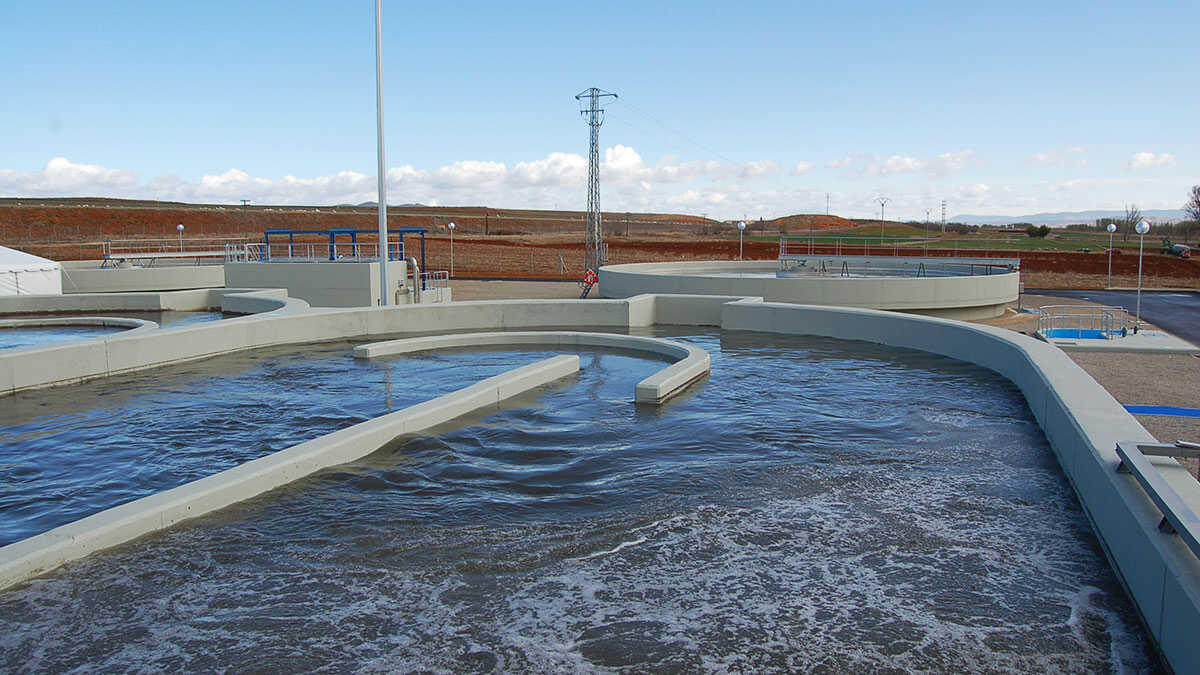
The Government of Aragon is taking another step to improve wastewater treatment in the Pyrenees of Huesca. The regional executive has authorized the Aragonese Water Institute (IAA), an agency under the Department of Environment and Tourism, to put out to tender the contract to build and initially operate the Broto-Oto Wastewater Treatment Plant (WWTP) in the province of Huesca. The project has a budget of 4,324,767.76 euros, including VAT, and will provide the municipality with suitable infrastructure to treat its wastewater.

A beloved Pyrenees hostel says goodbye after 26 years welcoming travelers: on sale for €787,000

A beloved Pyrenees hostel says goodbye after 26 years welcoming travelers: on sale for €787,000

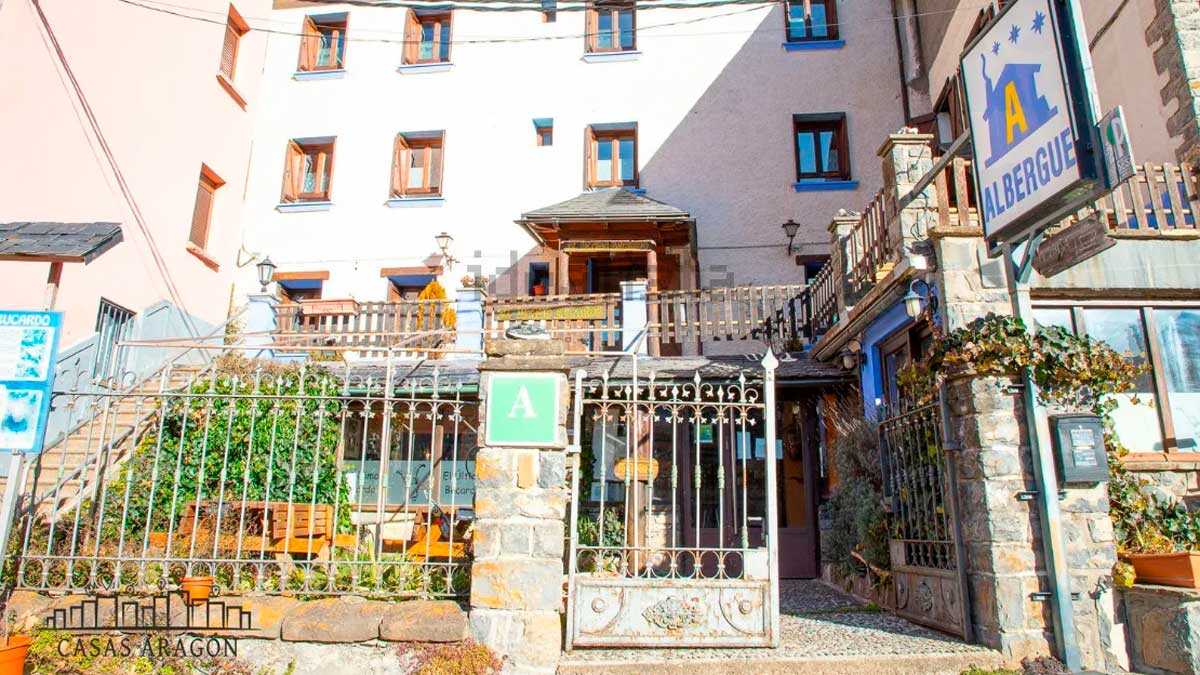
Many travelers exploring the Aragonese Pyrenees choose hostels to rest before putting their boots back on and continuing through the mountains. One such establishment, El Último Bucardo, in the Huesca village of Linás de Broto, in the Sobrarbe region, has become a regular stop for visitors to Ordesa and Monte Perdido National Park. After more than a quarter-century of history, the hostel is now announcing the end of an era: its owners are retiring after 26 years in business.

Aragón Existe warns of risk of a rupture in the Lafortunada-Cinqueta pipeline

Aragón Existe warns of risk of a rupture in the Lafortunada-Cinqueta pipeline

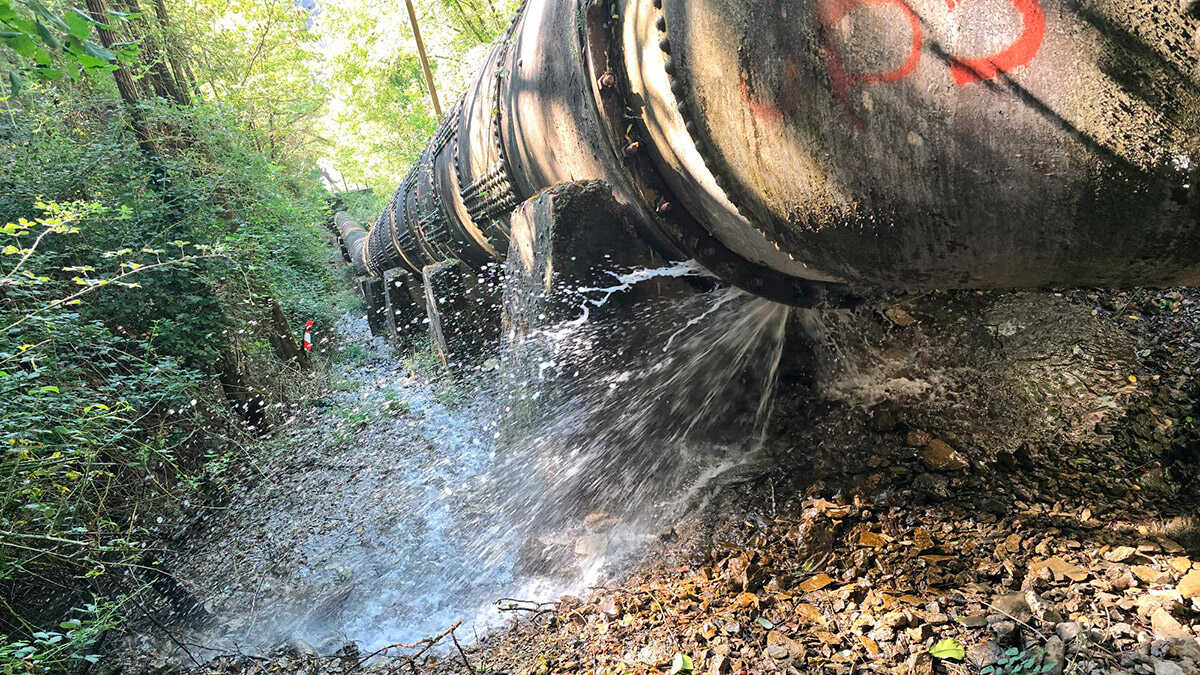
Aragón Existe has reported several leaks in the Lafortunada-Cinqueta hydroelectric pipeline in Sobrarbe and warned of the danger they may pose to the infrastructure’s foundations. According to the group, the water losses are eroding the pipeline’s base and could eventually cause it to rupture completely, a situation also highlighted by several residents of the comarca.

Villanúa Opens 23 New Public Homes for Tourism Workers

Villanúa Opens 23 New Public Homes for Tourism Workers

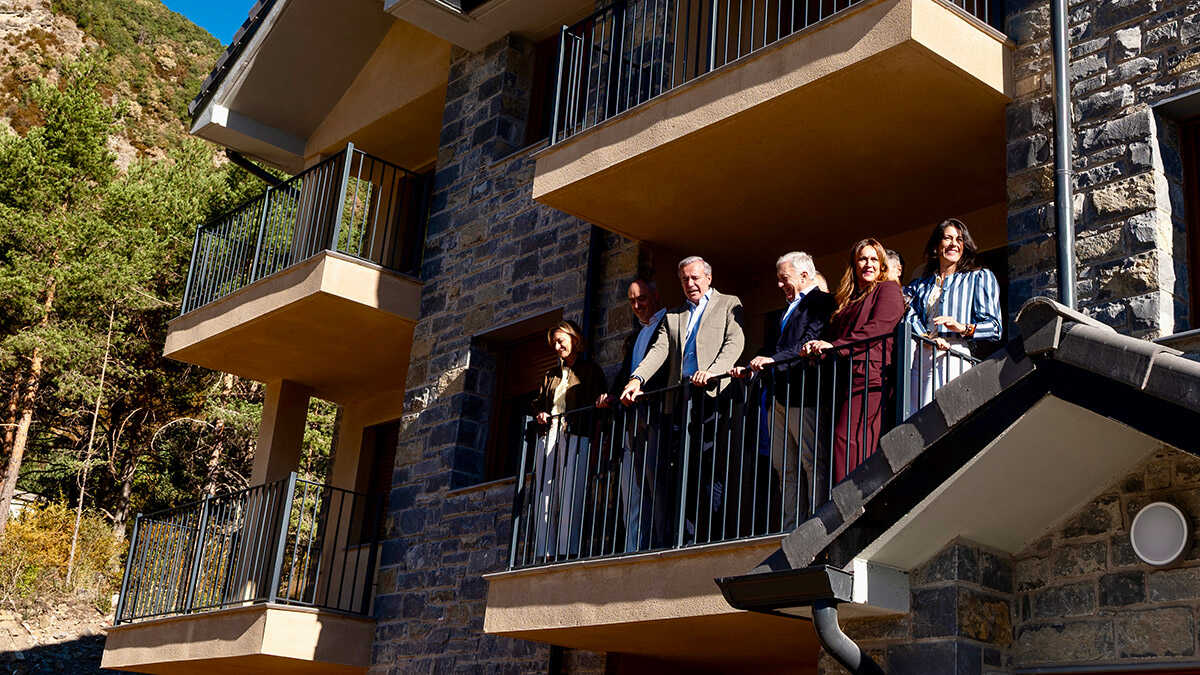
Villanúa inaugurated 23 new homes for tourism workers on Monday through the Aragón Government’s Más Vivienda Mejor Turismo program, marking its first development. Eighteen homes have two bedrooms and the remaining five have one, with usable floor areas of between 35 and 40 square meters, as well as parking spaces and storage rooms.

Two routes to discover the Mallos de Riglos this autumn aboard the Pre-Pyrenees Geological Train

Two routes to discover the Mallos de Riglos this autumn aboard the Pre-Pyrenees Geological Train

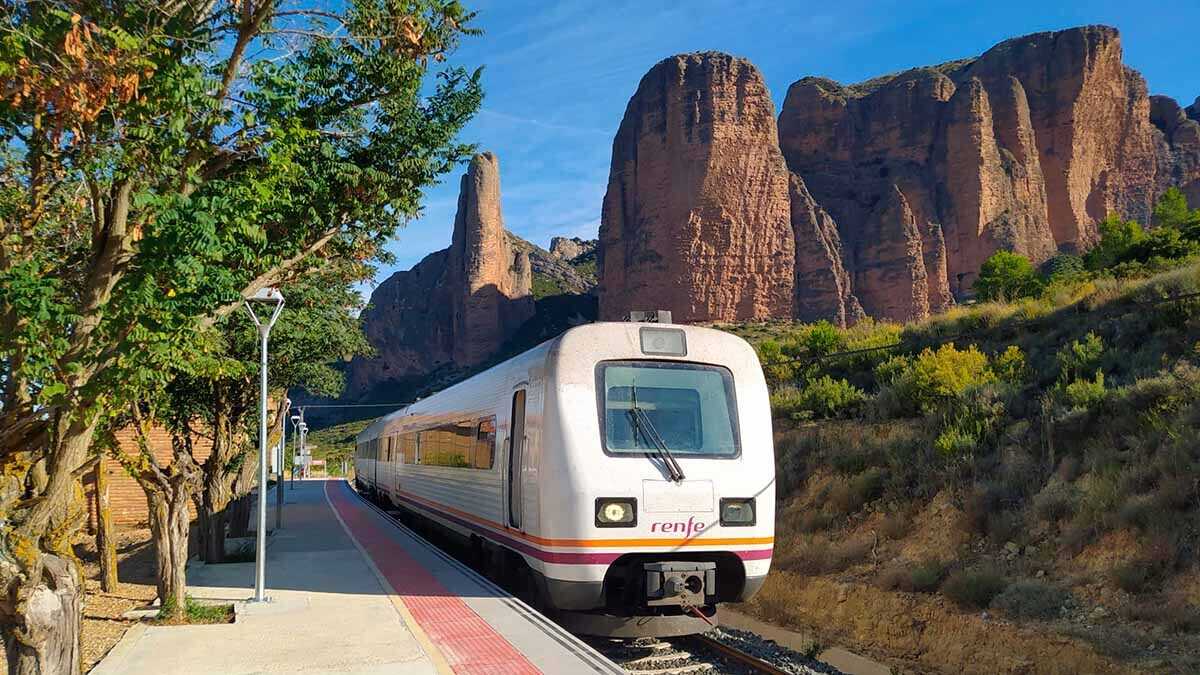
The Pre-Pyrenees Geological Train is offering two excursions this autumn to discover some of the Hoya de Huesca’s most distinctive landscapes on foot after travelling through part of the region aboard the Canfranero. Scheduled for September 27 and October 25, the outings will combine rail travel with guided routes through the Mallos de Riglos and surrounding areas.

Lost Dog Found in Huesca and Microchip Keeps It Out of Shelter

Lost Dog Found in Huesca and Microchip Keeps It Out of Shelter

A citizen's alert led to a happy ending for a dog that had gone missing in Huesca. Although its owner is abroad, the Local Police and the microchip ensured the dog avoided the pound and could stay with an acquaintance until its owner returns to Spain.

Europe’s Oldest Grocery Store Is in Huesca: Honey, Spices and Salt Cod Since 1871

Europe’s Oldest Grocery Store Is in Huesca: Honey, Spices and Salt Cod Since 1871

The impressive frescoes by 19th-century painter León Abadías, tiled floor, upholstered chairs and huge windows make visitors feel as though they are in a museum untouched by time. Soon, the spices, salt cod, cheeses, chocolate, sweets and pulses resolve any doubt: this is indeed a grocery store, but not just any grocery store. It is Europe’s oldest and best-preserved, and it is in Huesca.

Drought and Wildfires Drive Water Deliveries in Huesca to a Record High

Drought and Wildfires Drive Water Deliveries in Huesca to a Record High

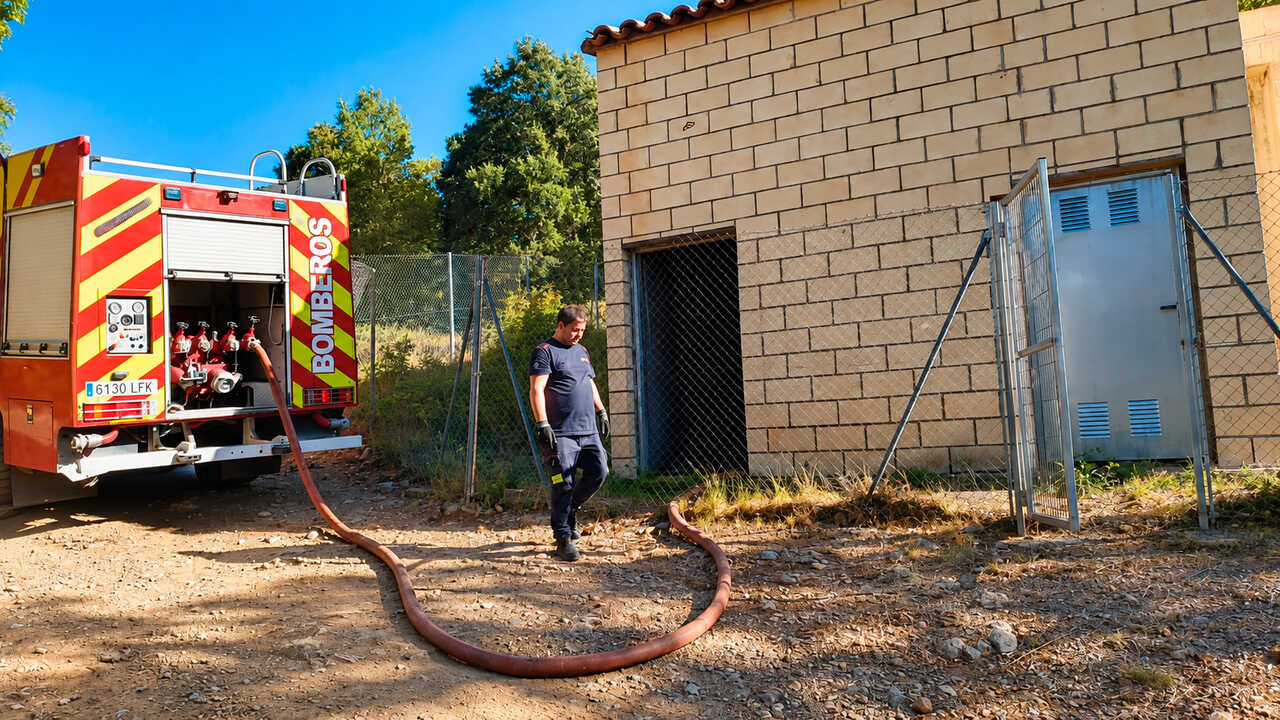
Drought and this summer’s wildfires have increased the drinking water deliveries carried out by the Provincial Council’s firefighters. In total, 1.5 million liters of water have been distributed across around 20 communities. It is the largest delivery since the DPH fire service was established in 2021. The lack of rainfall has forced firefighters to deliver water even to a mountain refuge.

Aragón Calls on Spain to Pressure France to Reopen Canfranc

Aragón Calls on Spain to Pressure France to Reopen Canfranc

The reopening of the railway connection between Zaragoza, Canfranc and Pau is once again looking to France. Aragón remains committed to restoring the international line and supports Nouvelle-Aquitaine in a project aimed at improving communications on both sides of the Pyrenees, while calling on the French government to specify the investments needed to complete the outstanding works.